- What Is a Real-Time Financial Reporting?
- Why Has Real-Time Financial Reporting Become Essential for Financial DecisionMaking?
- How Does Real-Time Financial Reporting Improve Financial Control?
- What Challenges Do Businesses Face When Preparing Real-Time Financial Reporting?
- How Does an ERP System Automate Real-Time Financial Reporting?
- How ERP Connects Real-Time Financial Reporting Across Business?
- How Does Real-Time Financial Reporting Improve Cash Flow Management?
- What Industries Need Real-Time Income Statement Reporting?
- How Does Real-Time Financial Reporting Reduce Accounting Errors?
- How Does Automation Accelerate Real-Time Financial Reporting and Business DecisionMaking?
- How Does an ERP System Improve the Efficiency of Real-Time Financial Reporting?
- How Does Real-Time Financial Reporting Help Monitor Profitability and Revenue Trends?
- How Does Integration Between Real-Time Financial Reporting and Business Operations Improve DecisionMaking?
- What Should You Look for When Choosing an ERP System for Real-Time Financial Reporting?
- How Does Manzuma AI Simplify Real-Time Financial Reporting?
- Why Is Manzuma AI the Best ERP Solution for Real-Time Financial Reporting?
- FAQs
- 2 How does an income list help evaluate branch performance?
- 3 Is income list reporting suitable for small and mediumsized businesses?
- 4 Why are dashboards important for income list reporting?
- 5 Why choose Manzuma AI for income list reporting?
Real-Time Financial Reporting has transformed the way modern businesses monitor financial performance, moving beyond traditional month-end statements and periodic reviews.
In today’s fast-moving business environment, organizations need instant access to accurate financial data instead of relying on reports that only show what happened weeks ago. Without timely insights, businesses may miss opportunities, react slowly to market changes, and make decisions based on outdated information.
With Real-Time Financial Reporting, finance teams can eliminate the need to manually consolidate spreadsheets or reconcile data from disconnected systems. By using automated reporting solutions, businesses gain immediate access to reliable financial insights, enabling faster decision-making, stronger financial control, and improved operational agility across the organization.
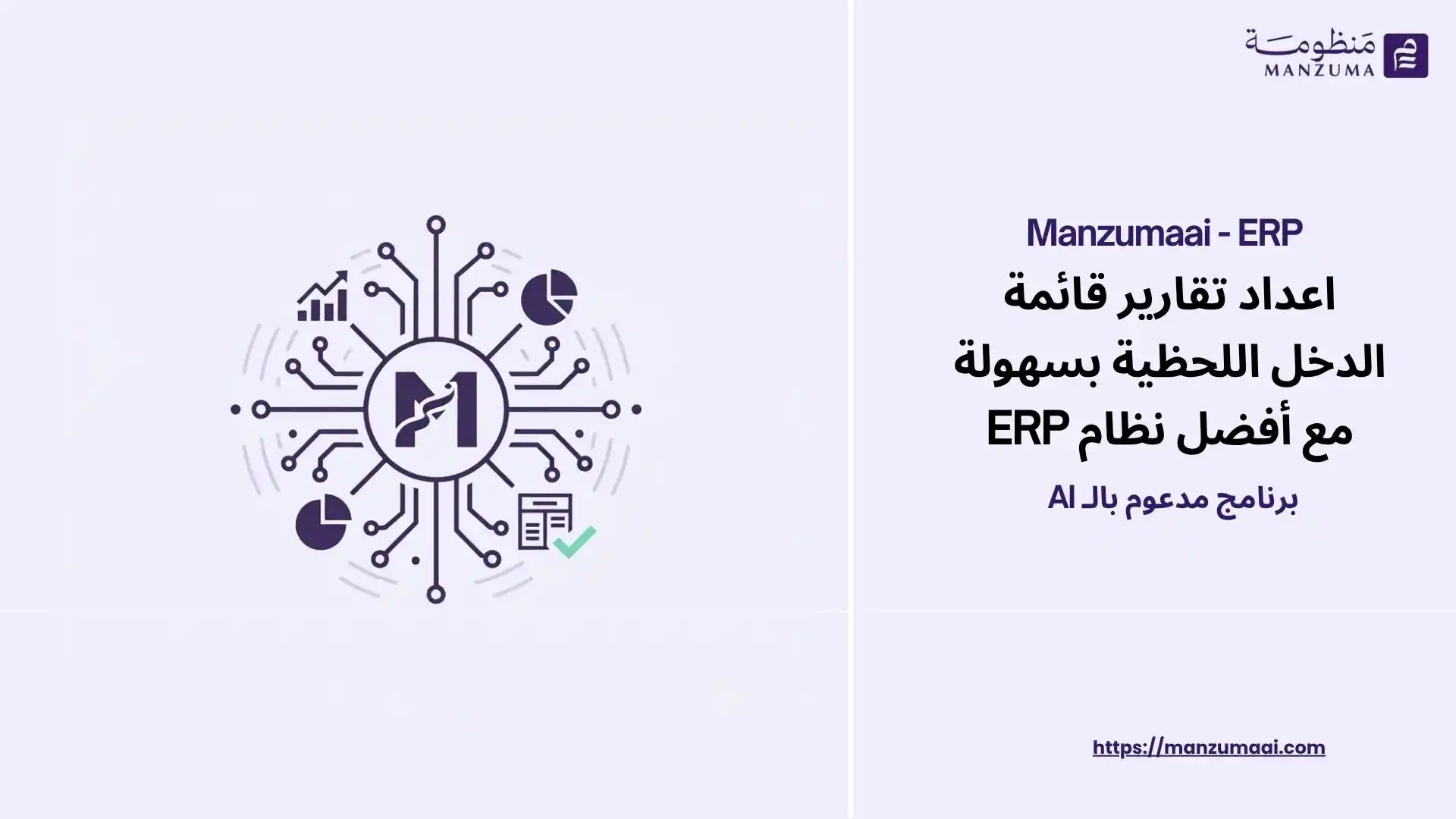
What Is a Real-Time Financial Reporting?
A Real-Time Financial Reporting list is a continuously updated financial report that reflects an organization's revenues operating expenses and net profit as soon as financial transactions are recorded within the ERP system Rather than waiting until the end of an accounting period businesses gain immediate visibility into their financial performance throughout the day
Unlike traditional reporting processes that rely on manual data consolidation and periodic reconciliations realtime reporting operates on a centralized database where every transaction automatically updates the financial records Sales invoices purchase orders payroll expenses inventory movements depreciation and other financial activities are reflected instantly without additional processing
This unified approach enables finance leaders to monitor profitability in real time identify financial trends early and make informed decisions using current business data instead of historical reports As organizations continue to accelerate their digital transformation initiatives realtime financial reporting has become an essential component of modern ERP platforms
Why Has Real-Time Financial Reporting Become Essential for Financial DecisionMaking?
The quality of business decisions depends on the quality and timeliness of financial information When executives rely on outdated reports they often react to problems after they have already impacted profitability instead of preventing them
Real-Time Financial Reporting eliminates this delay by providing immediate visibility into financial performance as business activities occur Decisionmakers can evaluate revenue growth monitor operating expenses assess profit margins and identify financial risks without waiting for monthly closing processes
With continuous financial visibility organizations can:
- Track profitability throughout the business cycle
- Detect unexpected cost increases as they occur
- Monitor the financial performance of branches projects or business units
- Measure the financial impact of operational decisions immediately
- Improve budgeting and financial forecasting using current data
- Respond faster to changing market conditions
Rather than functioning as a historical accounting document a Real-Time Financial Reporting becomes a dynamic management tool that supports proactive planning stronger financial governance and faster executive decisionmaking across the enterprise
How Does Real-Time Financial Reporting Improve Financial Control?
Effective financial control depends on having continuous visibility into business performance—not just after the accounting period has closed When financial data is delayed organizations often identify issues only after they have already affected profitability cash flow or operational efficiency
A Real-Time Financial Reporting transforms financial oversight by giving finance teams and executives instant access to current revenue expenses and profit margins Instead of relying on historical reports decisionmakers can monitor financial performance as transactions occur and respond immediately to changing business conditions
This continuous visibility enables organizations to:
- Monitor profitability across the business in real time
- Detect unusual expense increases before they impact financial results
- Evaluate the financial performance of departments branches and projects independently
- Identify budget variances as they emerge rather than after monthend
- Assess the financial impact of operational decisions immediately
- Improve cost management through proactive financial monitoring
Rather than functioning as a reactive process financial control becomes a continuous business discipline that supports stronger governance better resource allocation and more informed decisionmaking across the organization
What Challenges Do Businesses Face When Preparing Real-Time Financial Reporting?
Despite advances in financial technology many organizations still struggle to produce accurate and timely financial reports As businesses expand across multiple locations departments and legal entities managing financial information becomes increasingly complex—especially when disconnected systems or manual processes remain in place
Without an integrated ERP platform finance teams often spend significant time collecting validating and reconciling information before an income report can be generated This not only delays reporting but also increases the risk of inconsistencies and human error
Some of the most common challenges include:
- Financial data scattered across multiple applications
- Manual journal entries and repetitive data input
- Delayed financial updates from different departments
- Duplicate or inaccurate transaction records
- Lengthy account reconciliation processes
- Multiple review cycles before reports are finalized
- Slow delivery of financial insights to management
These challenges reduce reporting efficiency and limit an organization's ability to respond quickly to changing business conditions More importantly they increase the likelihood of strategic decisions being based on incomplete or outdated financial information
How Does an ERP System Automate Real-Time Financial Reporting?
Modern ERP systems eliminate the delays associated with traditional financial reporting by integrating every business function into a single centralized platform Instead of transferring data between separate applications or manually updating financial records every transaction automatically flows through the system and updates financial reports in real time
Whether the transaction originates from sales procurement inventory payroll or fixed assets the ERP platform records it once and immediately reflects its financial impact across the organization's reporting environment
This automation enables businesses to:
- Automatically post accounting entries
- Update revenue and operating expenses instantly
- Calculate depreciation and taxes without manual intervention
- Maintain a centralized financial database across all departments
- Generate Real-Time Financial Reporting on demand
- Reduce errors associated with manual processing
- Accelerate monthend and yearend financial close activities
By replacing manual reporting workflows with intelligent automation ERP systems transform financial reporting from a periodic administrative task into a continuous source of actionable business intelligence
How ERP Connects Real-Time Financial Reporting Across Business?
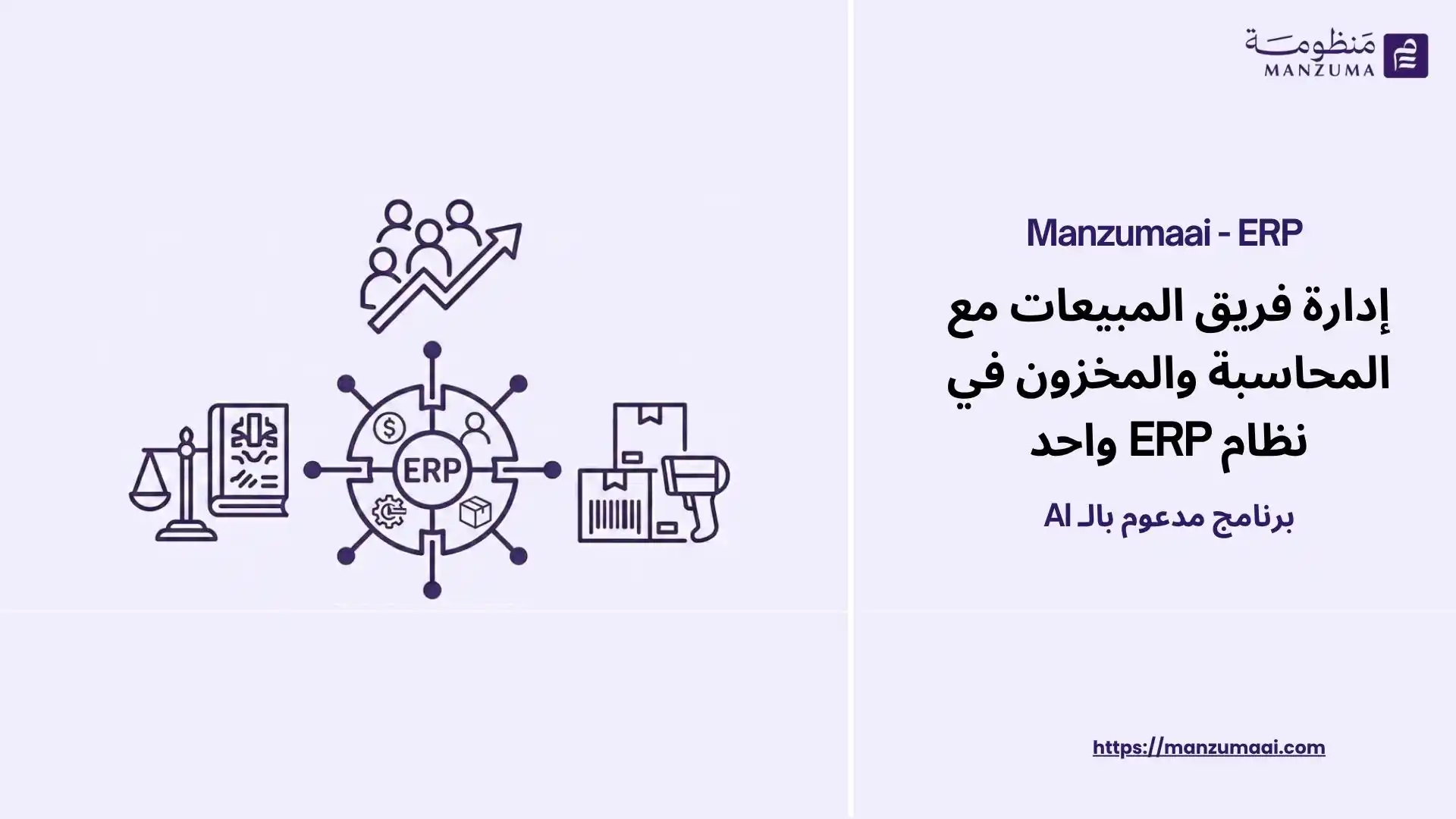
One of the greatest strengths of a modern ERP system is its ability to unify financial and operational data across the entire organization Rather than treating accounting as a standalone function ERP platforms connect every business process to a centralized financial database ensuring that every transaction is reflected immediately in financial reporting
When a sales invoice is issued revenue is automatically recognized When inventory is consumed purchase orders are approved or payroll is processed the related costs are recorded instantly This seamless integration eliminates duplicate data entry improves reporting accuracy and provides a realtime view of business performance
Sales Management
Every completed sales transaction updates revenue automatically while generating the corresponding accounting entries This ensures that financial reports always reflect current sales performance without requiring manual reconciliation
Procurement and Purchasing
Purchase transactions supplier invoices and operating expenses flow directly into the financial system providing an accurate picture of procurement costs and their impact on profitability
Inventory movements continuously update the cost of goods sold (COGS) and inventory valuation allowing businesses to measure gross profit with greater accuracy as inventory changes occur
ERP systems automatically calculate depreciation schedules and record depreciation expenses according to predefined accounting rules ensuring that assetrelated costs are always reflected in financial reports
Employee salaries benefits and payroll expenses are automatically transferred into the general ledger providing an uptodate view of labor costs without manual journal entries
By integrating every department into a single ERP environment organizations establish a single source of financial truth that improves reporting accuracy strengthens collaboration and supports faster executive decisionmaking
How Does Real-Time Financial Reporting Improve Cash Flow Management?
Although an income list differs from a cash flow statement it provides critical financial insights that help organizations strengthen liquidity planning and longterm financial stability
Continuous visibility into revenue operating expenses and profitability enables finance teams to identify potential financial risks before they begin affecting cash flow Instead of reacting to declining margins after monthend businesses can take corrective action while there is still time to improve financial outcomes
Realtime reporting helps organizations:
- Continuously monitor revenue performance
- Analyze spending patterns and operating expenses
- Evaluate the profitability of products services and projects
- Improve collections and expense management strategies
- Strengthen shortterm and longterm financial planning
- Maintain healthier cash positions through proactive decisionmaking
With access to current financial data business leaders can make informed decisions that protect liquidity optimize resource allocation and support sustainable business growth
What Industries Need Real-Time Income Statement Reporting?
Several industries can benefit from Real-Time Income Statement Reporting because they need continuous visibility into revenue, expenses, and profitability while closely connecting financial performance with day-to-day operations. Some of the key industries include:
Profitability in this sector is closely tied to sales, inventory, and cost of goods sold. Real-time reporting helps businesses continuously track the relationship between Sales → Inventory → COGS → Gross Profit → Net Profit, making real-time financial reporting particularly valuable for retail and trading businesses.
Manufacturing companies need to closely monitor raw material costs, production expenses, inventory, labor, and other operating costs. Real-time financial reporting helps them analyze production costs, monitor margins, and evaluate the profitability of different products more effectively.
Real-time reporting helps construction companies monitor the revenue and costs associated with each project or contract, evaluate project profitability, and identify cost overruns before they have a significant impact on financial results.
Service-based businesses can use real-time reporting to track project and contract profitability, employee-related costs, operating expenses, and cost centers, giving management a clearer view of financial performance across the business.
In healthcare, profitability depends not only on revenue but also on the cost of services, supplies, inventory, and resources. Real-time financial reporting helps healthcare organizations monitor these costs, evaluate profitability, and maintain better visibility into their overall financial performance.
How Does Real-Time Financial Reporting Reduce Accounting Errors?
Financial reports are only as reliable as the data behind them Manual data entry disconnected software applications and repetitive accounting processes often introduce inconsistencies that
reduce the accuracy of financial reporting and delay critical business decisions
An integrated ERP system minimizes these risks by automatically updating financial records whenever a transaction occurs Every approved transaction is recorded once and reflected across all related financial reports eliminating redundant processing and reducing opportunities for human error
This automated approach helps organizations:
- Minimize manual data entry errors
- Prevent duplicate accounting transactions
- Maintain consistent financial information across departments
- Detect financial discrepancies as soon as they occur
- Improve the accuracy of financial closing processes
- Increase confidence in financial reporting
Higherquality financial data leads to more reliable reporting enabling executives to make strategic decisions based on accurate and uptodate business information rather than estimates or outdated figures
How Does RealTime Income List Reporting Support Compliance with Accounting Standards and Financial Regulations
Accurate financial reporting is essential not only for measuring business performance but also for maintaining compliance with accounting standards tax regulations and internal governance policies Organizations that rely on manual reporting processes often face challenges in maintaining consistency traceability and audit readiness
Modern ERP systems address these challenges by automatically recording financial transactions according to standardized accounting rules Every transaction is documented traceable and immediately reflected in financial reports helping businesses maintain accurate records while simplifying regulatory compliance
Realtime income list reporting supports compliance by enabling organizations to:
- Automatically document financial transactions
- Maintain a complete audit trail for every accounting entry
- Apply accounting policies consistently across the organization
- Simplify both internal and external audit processes
- Generate financial reports that align with applicable accounting standards
- Support regulatory and tax reporting requirements with accurate financial data
By improving financial transparency and ensuring data consistency ERPdriven reporting reduces compliance risks while strengthening confidence in corporate financial information
How Does Automation Accelerate Real-Time Financial Reporting and Business DecisionMaking?
Business leaders cannot afford to wait until the end of the month to understand financial performance In today's competitive environment access to realtime financial information enables organizations to respond quickly to operational challenges and emerging opportunities
ERP automation transforms financial reporting by continuously updating financial data as transactions occur Instead of manually preparing reports after the accounting period closes finance teams gain instant access to current performance metrics whenever they are needed
- Automation provides significant business advantages including
- Generating financial reports within seconds
- Updating financial data automatically after every transaction
- Displaying realtime KPIs through interactive dashboards
- Comparing actual performance against budgets and forecasts
- Sharing reports instantly with executives finance teams and auditors
- Supporting operational and strategic decisions with continuously updated information
With automated reporting financial data evolves from a historical record into a realtime decision support system enabling organizations to respond faster reduce financial risks and improve overall business performance
How Does an ERP System Improve the Efficiency of Real-Time Financial Reporting?
The value of an ERP platform extends well beyond automating financial reports By integrating accounting processes with every operational department ERP systems create a unified financial environment where information flows seamlessly across the organization
Instead of spending hours consolidating spreadsheets or reconciling data from multiple systems finance teams can access accurate financial information from a centralized source This significantly reduces reporting time while improving the reliability of financial analysis
Modern ERP platforms improve income list reporting by enabling organizations to:
- Consolidate financial data automatically across departments
- Update financial reports instantly whenever business transactions occur
- Automate journal entries depreciation taxes and recurring accounting processes
- Generate financial reports on demand without waiting for periodend closing
- Maintain a centralized database that ensures consistent financial information
- Deliver interactive dashboards with continuously updated performance metrics
- Reduce manual administrative work and improve finance team productivity
As a result realtime income reporting becomes a strategic management capability rather than a routine accounting process Organizations gain faster access to financial insights improve planning accuracy and strengthen executive decisionmaking across every stage of business growth
How Does Real-Time Financial Reporting Help Monitor Profitability and Revenue Trends?
Financial reports should do more than present historical numbers—they should provide meaningful insights that help organizations understand what is driving business performance
A realtime income list enables finance leaders to analyze profitability from multiple perspectives including business units branches projects products and cost centers Because financial data is continuously updated organizations can identify revenue trends evaluate cost structures and recognize performance changes before they become significant financial issues
Realtime reporting enables businesses to:
- Monitor profitability on a continuous basis
- Analyze revenue by business activity project or product line
- Compare financial performance across reporting periods
- Evaluate how operating costs affect profit margins
- Identify the most and least profitable business activities
- Improve financial planning and longterm growth strategies
By combining operational data with financial intelligence ERP systems transform income reporting into a powerful analytical tool that supports proactive business planning and sustainable profitability
How Does Integration Between Real-Time Financial Reporting and Business Operations Improve DecisionMaking?
The accuracy of financial reporting depends on the quality and consistency of the data behind it When departments operate in isolation financial information becomes fragmented making it difficult for executives to gain a complete picture of organizational performance
Modern ERP systems eliminate these silos by connecting finance with every core business function through a single centralized platform As transactions flow seamlessly between departments financial reports are updated automatically ensuring that executives always have access to accurate realtime information
This level of integration enables organizations to:
- Connect actual revenue with sales transactions and customer contracts
- Calculate the cost of goods sold using realtime purchasing and inventory data
- Automatically record depreciation and operating expenses
- Track profitability by project branch department or cost center
- Deliver continuously updated financial KPIs for executive reporting
- Improve budgeting accuracy and financial forecasting with current business data
By creating a single source of truth across the enterprise ERP systems enable leaders to make faster more confident decisions while improving financial visibility and organizational alignment
What Should You Look for When Choosing an ERP System for Real-Time Financial Reporting?
Selecting an ERP solution is a strategic investment that directly influences financial visibility operational efficiency and longterm business growth While core accounting functionality is essential organizations should also evaluate how effectively the platform delivers realtime reporting automation and crossfunctional integration
An ERP solution designed for modern financial management should provide:
- Realtime financial data updates across all business operations
- Complete integration with accounting sales purchasing inventory fixed assets and payroll
- Automated journal entries recurring transactions depreciation and tax calculations
- Compliance with local and international accounting standards
- Interactive dashboards with live financial KPIs
- Flexible reporting capabilities tailored to different management requirements
- Advanced security controls and rolebased access permissions
- Scalability to support business expansion
- An intuitive user experience that encourages rapid adoption
- Ongoing technical support product enhancements and regular system updates
Choosing an ERP platform with these capabilities allows organizations to improve reporting accuracy streamline financial operations and build a stronger foundation for datadriven decisionmaking
How Does Manzuma AI Simplify Real-Time Financial Reporting?
Manzuma AI provides a fully integrated ERP platform that connects financial and operational processes within a unified environment enabling organizations to generate realtime income list reports from continuously updated business data
Instead of relying on disconnected applications or manual reconciliations every financial transaction is recorded once and automatically reflected across accounting records and financial reports This unified approach improves reporting accuracy while significantly reducing administrative effort
With Manzuma AI organizations can:
- Generate realtime income reports whenever they are needed
- Continuously monitor revenue expenses and net profit
- Track financial performance through interactive executive dashboards
- Analyze profitability by branch project or cost center
- Automate recurring accounting processes and journal entries
- Improve data accuracy while minimizing manual intervention
- Equip decisionmakers with uptodate financial insights for faster business decisions
By transforming financial reporting into an alwaysavailable management resource Manzuma AI helps organizations strengthen financial control improve operational efficiency and support sustainable business growth
Why Is Manzuma AI the Best ERP Solution for Real-Time Financial Reporting?
Modern finance teams require more than basic accounting software They need an intelligent ERP platform that combines automation realtime analytics and enterprisewide integration to support strategic financial management
Manzuma AI is designed to meet these requirements by delivering advanced reporting capabilities alongside comprehensive business process automation The platform enables organizations to move beyond static financial reports and gain continuous visibility into business performance
Key capabilities include:
- Automated realtime income list reporting
- Instant financial updates whenever transactions are completed
- Full integration with accounting sales purchasing inventory fixed assets and human resources
- Interactive dashboards displaying live financial KPIs
- Advanced profitability analysis and business performance reporting
- Automated accounting workflows that reduce manual effort
- Support for accounting compliance and improved financial governance
- A scalable architecture that grows with business requirements
By combining intelligent automation with realtime financial visibility Manzuma AI enables organizations to make faster decisions improve reporting accuracy strengthen financial governance and accelerate digital transformation initiatives
Realtime income list reporting has become a critical capability for organizations seeking greater financial visibility faster decisionmaking and stronger operational control Instead of relying on reports generated after the accounting period ends modern ERP systems provide continuous access to accurate financial data enabling finance teams to monitor business performance as it evolves
FAQs
1 Can an income list be generated in real time?
Yes A modern ERP system automatically updates revenue expenses and net profit as soon as financial transactions are recorded
2 How does an income list help evaluate branch performance?
It provides realtime profitability insights for each branch project or business unit enabling more informed performance comparisons
3 Is income list reporting suitable for small and mediumsized businesses?
Absolutely Businesses of all sizes benefit from realtime financial visibility that supports smarter planning and faster decisionmaking
4 Why are dashboards important for income list reporting?
Interactive dashboards display live financial KPIs allowing decisionmakers to monitor revenue expenses and profitability from a single interface
5 Why choose Manzuma AI for income list reporting?
Manzuma AI integrates accounting sales purchasing inventory and fixed assets into one ERP platform delivering accurate realtime financial reporting

Ready to Organize Your Business?
Try Manzuma free for 14 days — no credit card, no commitment.