- What Is Pharmacy Management Software?
- Why Are Best Pharmacy Management Software Essential Today?
- What Features Should a Pharmacy Management Program Include?
- How Do Pharmacy Management Programs Improve Inventory Control?
- Why Is Expiry Date Tracking So Important?
- How Do Pharmacy Management Programs Support Purchasing?
- How Does Supplier Management Work in Pharmacy Software?
- How Do Pharmacy Management Programs Support Multi-Branch Operations?
- How Do Pharmacy Management Programs Integrate with Accounting?
- Why Is ERP Integration Important for Pharmacies?
- How Can Best Pharmacy Management Software Improve Customer Service?
- How Do Best Pharmacy Management Software Help with Regulatory Compliance?
- How Do Pharmacy Management Programs Improve Reporting and Analytics?
- What Are the Benefits of Using the Best Pharmacy Management Software?
- Common Challenges Pharmacies Face Without Integrated Software
- How to Choose the Best Pharmacy Management Software?
- FAQs
This is why many healthcare organizations are turning to Best Pharmacy Management Software to manage pharmacy operations from a single digital platform. When integrated with an ERP system, it can streamline workflows, improve inventory management, connect financial operations, and provide real-time visibility across the business.
What Is Pharmacy Management Software?
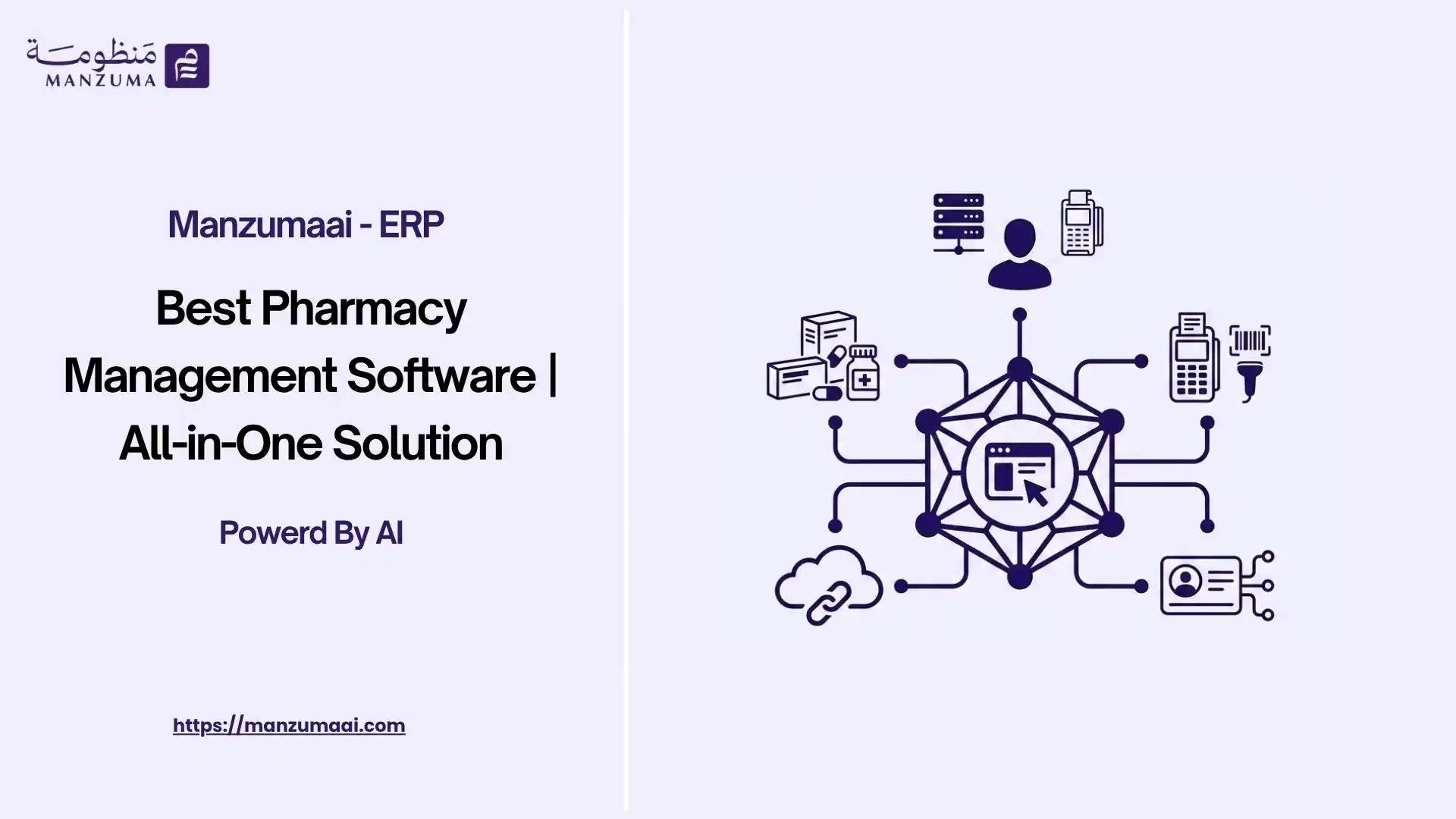
Best Pharmacy Management Software are solutions designed to help pharmacies manage daily operations inventory purchasing sales prescriptions customer records financial activities and reporting from a centralized system
Depending on the platform pharmacy management software may includeMedication inventory management
- Prescription processing
- Point-of-sale POS operations
- Purchasing and supplier management
- Customer and patient records
- Multi-branch pharmacy management
- Financial and accounting integration
- Expiry date tracking
- Batch and lot management
- Insurance claim management
- Reporting and analytics
- Regulatory compliance support
The real value of modern pharmacy software extends beyond transaction processing The most effective systems connect pharmacy operations with inventory accounting purchasing and customer management to create a unified workflow
ERP also supports the healthcare sector by integrating financial and administrative operations, inventory, procurement, and reporting within a single platform, helping healthcare organizations improve efficiency and manage their data more effectively.
Why Are Best Pharmacy Management Software Essential Today?
Pharmacies handle a high volume of products transactions and regulatory requirements every day
Without a centralized system pharmacy teams often face challenges such as
- Inventory inaccuracies
- Overstocking or stock shortages
- Expired medications
- Duplicate data entry
- Purchasing inefficiencies
- Limited visibility into profitability
- Delayed reporting
- Manual reconciliation between departments
As pharmacies expand across multiple locations or increase product variety these challenges become even more difficult to manage
A pharmacy management program helps centralize data and automate routine processes allowing pharmacists and managers to focus more on patient service and business performance
What Features Should a Pharmacy Management Program Include?
Selecting the right system requires understanding the operational needs of the pharmacy
Medication Inventory Management
Inventory management is one of the most critical functions within a pharmacy
- The system should support
- Product catalog management
- Medication classification
- Stock tracking
- Real-time inventory visibility
- Batch and lot tracking
- Expiry date monitoring
- Reorder management
- Inventory transfers
- Warehouse management
Accurate inventory data helps pharmacies avoid stockouts while minimizing excess inventory
Prescription Management
Prescription processing is a core pharmacy activity
A pharmacy management solution may support
- Prescription registration
- Medication dispensing records
- Prescription history
- Refill tracking
- Prescription validation workflows
- Patient medication records
By maintaining organized prescription records pharmacies can improve service quality and operational efficiency
Point of Sale POS Management
Pharmacy transactions occur continuously throughout the day
A modern pharmacy POS system should support
- Fast checkout processes
- Product scanning
- Customer records
- Discount management
- Tax calculations
- Multiple payment methods
- Receipt generation
Integration with inventory ensures stock levels are updated automatically after each sale
How Do Pharmacy Management Programs Improve Inventory Control?
Inventory control is one of the most challenging aspects of pharmacy operations
Pharmacies must maintain adequate stock levels while avoiding expired inventory and unnecessary carrying costs
An integrated system can help track
- Available stock
- Reserved stock
- Expiring medications
- Fast-moving products
- Slow-moving products
- Inventory valuation
- Supplier lead times
Why Is Expiry Date Tracking So Important?
Unlike many retail products medications have limited shelf lives
A pharmacy management program can help identify
- Products approaching expiration
- Inventory requiring priority sales
- Products eligible for return or replacement
- Potential inventory losses
This helps reduce waste and improve inventory turnover
How Do Pharmacy Management Programs Support Purchasing?
Inventory and purchasing are closely connected in pharmacy operations
When stock levels reach predefined thresholds the system can help purchasing teams identify replenishment needs
A connected workflow may look like
Inventory Monitoring → Reorder Alert → Purchase Request → Purchase Order → Supplier Delivery → Stock Update
This approach provides greater visibility into purchasing requirements and supplier performance
How Does Supplier Management Work in Pharmacy Software?
Pharmacies often work with multiple pharmaceutical suppliers and distributors
A centralized supplier database can help manage
- Supplier records
- Purchase history
- Product availability
- Supplier pricing
- Purchase agreements
- Outstanding orders
- Supplier performance metrics
This information helps pharmacies make better purchasing decisions and maintain reliable supply chains
How Do Pharmacy Management Programs Support Multi-Branch Operations?
Many pharmacy groups operate across multiple locations
Managing inventory independently at each branch can create inefficiencies and stock imbalances
A centralized pharmacy management system can provide visibility into
- Branch inventory levels
- Stock transfers
- Product availability
- Branch performance
- Consolidated reporting
- Purchasing requirements
This enables management to coordinate inventory across the organization more effectively
How Do Pharmacy Management Programs Integrate with Accounting?
Every pharmacy transaction has a financial impact
Sales purchases supplier invoices expenses and payments all contribute to the financial performance of the business
When pharmacy operations are integrated with accounting organizations can manage
- Revenue
- Expenses
- Customer balances
- Supplier balances
- Cash flow
- Profitability
- Financial statements
Instead of manually transferring data between systems transactions can flow directly into the accounting environment
Why Is ERP Integration Important for Pharmacies?
Many pharmacies begin with standalone pharmacy software As operations grow however separate systems can create information silos
An ERP-based approach connects pharmacy operations with
- Inventory
- Purchasing
- Accounting
- E-Invoicing
- HR and payroll
- CRM
- Financial reporting
- Business analytics
This creates a unified business environment where information moves across departments without repeated data entry
Example of an Integrated Workflow
Customer Purchase → Inventory Update → Invoice Generation → Accounting Entry → Financial Reporting
Each step contributes to a connected operational process rather than existing as an isolated transaction
How Can Best Pharmacy Management Software Improve Customer Service?
Customer expectations continue to increase
Patients expect pharmacies to provide
- Fast service
- Accurate prescriptions
- Product availability
- Reliable records
- Consistent communication
A centralized pharmacy management system helps staff access information quickly reducing wait times and improving service quality
Customer records may include:
- Purchase history
- Prescription history
- Contact information
- Loyalty programs
- Payment history
This allows pharmacies to deliver more personalized service
How Do Best Pharmacy Management Software Help with Regulatory Compliance?
Healthcare organizations operate within strict regulatory environments
While compliance requirements vary by country and regulatory authority pharmacy management software can help organizations maintain more accurate records and documentation
Potential compliance-related capabilities may include
- Audit trails
- Transaction history
- Batch tracking
- Expiry monitoring
- Controlled access permissions
- Reporting support
- Record retention
Organizations should always verify that their software meets local regulatory requirements before implementation
Important Regulatory requirements differ significantly by jurisdiction Pharmacies should consult the relevant healthcare and regulatory authorities to ensure compliance
How Do Pharmacy Management Programs Improve Reporting and Analytics?
Data becomes significantly more valuable when it can be transformed into actionable insights
A pharmacy management program may provide reports covering
Sales Performance
- Daily sales
- Monthly sales
- Product performance
- Branch performance
- Revenue trends
Inventory Analysis
- Stock availability
- Low-stock products
- Expiring medications
- Inventory valuation
- Inventory turnover
Purchasing Performance
- Supplier purchases
- Procurement costs
- Outstanding purchase orders
- Supplier performance
Financial Analysis
- Revenue
- Gross profit
- Expenses
- Cash flow
- Profitability
Management teams can use these reports to support faster and more informed decision-making
What Are the Benefits of Using the Best Pharmacy Management Software?
With Manzuma AI, pharmacies can manage essential operations through a connected cloud ERP platform that brings sales, inventory, purchasing, accounting, and reporting together in one system.
Increased Operational Efficiency
Manzuma AI helps streamline daily workflows by connecting business processes and reducing repetitive manual data entry, allowing teams to focus on more important tasks.
Better Inventory Accuracy
With centralized inventory management, Manzuma AI gives pharmacies greater visibility into stock levels and product movements across locations, helping reduce discrepancies and stock shortages.
Improved Purchasing Decisions
By connecting inventory and purchasing data, Manzuma AI helps businesses identify replenishment needs and make purchasing decisions based on more accurate information.
Reduced Inventory Waste
Pharmacies can use inventory data and monitoring capabilities to improve stock control and reduce the risk of holding unnecessary or slow-moving products.
Enhanced Financial Visibility
Manzuma AI connects operational transactions with accounting, giving management a clearer view of sales, expenses, inventory, and overall financial performance.
Faster Customer Service
With customer and transaction data managed centrally, employees can access relevant information faster and handle daily customer interactions more efficiently.
Better Decision-Making
Manzuma AI provides reports and dashboards that turn operational data into actionable insights, helping management identify trends, monitor performance, and respond to business challenges faster.
Common Challenges Pharmacies Face Without Integrated Software
When pharmacies rely on disconnected systems, managing daily operations can become more complicated. Manzuma AI addresses these challenges by connecting core business processes within a unified ERP environment.
Common challenges include:
- Duplicate data entry
- Inventory discrepancies
- Limited visibility into stock levels
- Delayed financial information
- Inefficient purchasing processes
- Fragmented customer records
- Limited reporting capabilities
- Difficulty monitoring multiple locations
As transaction volumes and business operations grow, these issues can affect efficiency, profitability, and the quality of decision-making. Manzuma AI helps reduce this fragmentation by bringing key business data together in one platform.
How to Choose the Best Pharmacy Management Software?
Choosing the right solution requires looking beyond the number of features and evaluating how well the platform supports the pharmacy's complete workflow. Manzuma AI provides an integrated ERP environment that can be evaluated based on these key requirements.
Assess Inventory Management Capabilities
A suitable solution should provide clear visibility into inventory and support:
- Multi-location inventory management
- Real-time stock visibility
- Product movement tracking
- Inventory transfers
- Stock level monitoring
Manzuma AI connects inventory operations with purchasing, sales, and accounting, helping pharmacies manage stock as part of a broader business workflow.
Evaluate Prescription Management Features
If prescription-specific functionality is essential to the pharmacy, verify that the selected solution supports the required prescription workflows and integrations. These specialized requirements should be confirmed directly before implementation.
Verify Accounting Integration
Manzuma AI connects business transactions with accounting, helping ensure that sales, purchases, inventory, and other financial activities contribute to a more unified financial record.
Review Reporting Capabilities
Management should be able to access operational and financial insights without manually collecting data from different systems. Manzuma AI provides reporting capabilities that help businesses monitor performance and make decisions based on centralized data.
Consider Scalability
As the pharmacy grows, the system should be able to support increasing:
- Products
- Locations
- Transactions
- Employees
- Customers
As a cloud ERP platform, Manzuma AI brings core business functions together in one environment, helping growing pharmacies reduce operational fragmentation and maintain greater visibility across their activities.
Modern pharmacy management goes beyond processing sales. By connecting inventory, purchasing, suppliers, accounting, reporting, and customer data, Manzuma AI provides an integrated approach that helps pharmacies improve operational efficiency, strengthen financial visibility, and make more informed business decisions.
FAQs
Can pharmacy software manage inventory and expiry dates?
Yes Many pharmacy management systems include inventory tracking batch management and expiry date monitoring to support inventory accuracy and reduce waste
Do pharmacy management programs support multiple branches?
Many modern solutions support centralized management of inventory purchasing and reporting across multiple pharmacy locations
Can pharmacy software integrate with accounting systems?
Yes ERP-integrated pharmacy solutions can connect operational transactions with accounting processes and financial reporting
Why do pharmacies need ERP integration?
ERP integration helps connect pharmacy operations with purchasing inventory accounting HR and reporting reducing data silos and improving visibility across the organization
How can pharmacy management programs improve profitability?
By improving inventory control reducing expired stock optimizing purchasing decisions automating workflows and providing better reporting pharmacies can gain greater control over operational costs and business performance
Ready to Organize Your Business?
Try Manzuma free for 14 days — no credit card, no commitment.