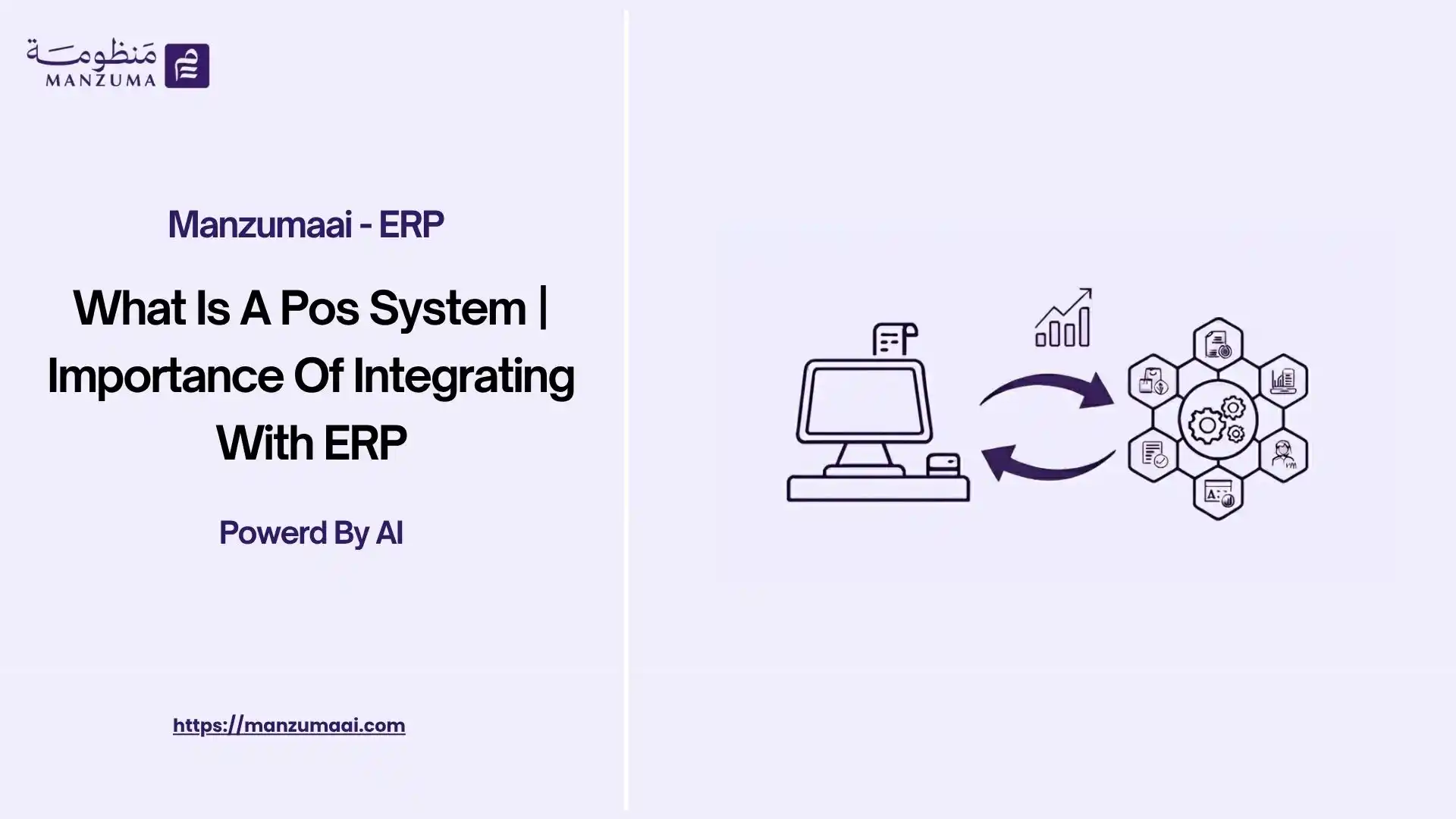
The sales process may seem simple: select the product, collect the payment, and issue the invoice. However, when a business handles dozens or hundreds of transactions every day, tracking sales, inventory, payments, and branches becomes much more complex. This is where a Point of Sale (POS) system comes in. It helps organize the sales process and record transaction data. More importantly, when it is connected to inventory, accounting, and reporting, it creates a more integrated flow of information. Therefore, understanding what a POS system is starts with knowing what happens behind every sale—not just what appears on the cashier’s screen.
What Is a POS System and How Does It Work Within a Company?
A Point of Sale (POS) system is a system used to record and manage sales transactions at the point where a purchase is completed. It is not limited to recording the amount paid. Depending on the system’s configuration, it can also store information about products or services, quantities, prices, discounts, payments, invoices, and returns.
Its importance becomes clear when sales data is connected to other business operations. Instead of ending the process once an invoice is issued, the transaction can automatically impact inventory, accounting, and reports. This provides interconnected data that helps management monitor business activity more clearly.
Manzuma’s materials highlight that the platform is built around integrated business processes, rather than having each department operate using a separate tool.
Ready to Organize Your Business?
Try Manzuma free for 14 days — no credit card, no commitment.