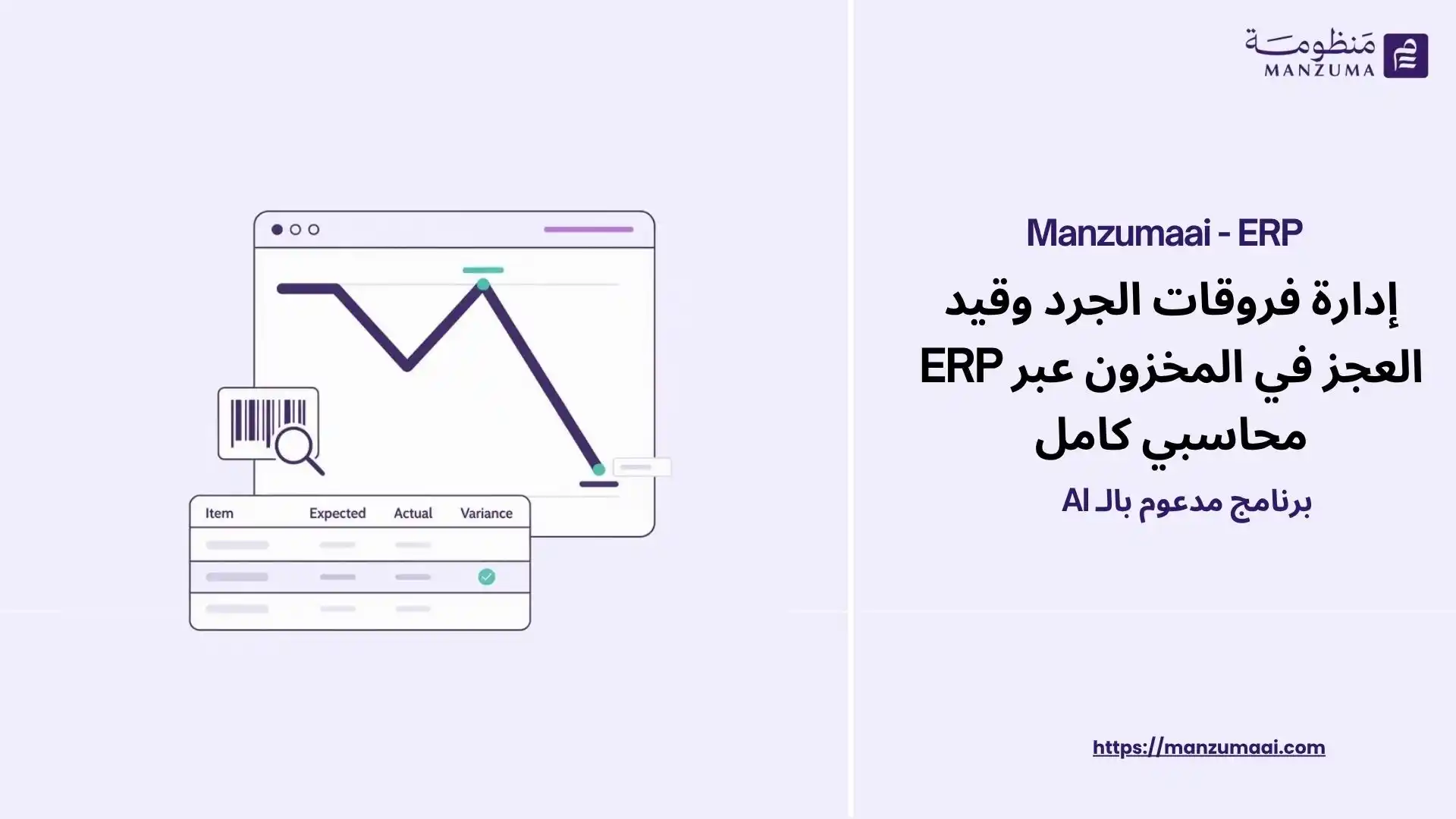
After completing a stock count, a company may discover that its system records 1,000 units while only 980 are physically available. Identifying the shortage alone is not enough. The company must determine its cause, calculate its value, approve the adjustment, and accurately record its accounting impact. This is where the inventory shortage journal entry comes in. It is part of an integrated process that starts with stocktaking and extends beyond recording the entry to include monitoring, analyzing discrepancies, and preventing them from happening again.
What Is an Inventory Shortage Journal Entry, and When Is It Recorded?
An inventory shortage journal entry is an accounting adjustment used to record a decrease in the actual inventory quantity compared to the balance recorded in the books or system, after the discrepancy has been verified through stocktaking and the adjustment has been approved in accordance with the company's policies.
The entry should not be recorded as soon as a quantity discrepancy is identified. The difference may be caused by a recording error, a delayed transaction, or an inventory movement that has not yet been posted. Proper accounting treatment starts by verifying the discrepancy and identifying its cause before determining the appropriate accounting adjustment.
In short: An inventory shortage is more than a missing quantity in the warehouse. It is a discrepancy that must be verified, documented, and properly accounted for.
How Do Inventory Discrepancies Occur, and What Causes Inventory Shortages?
Inventory discrepancies occur when the actual quantity of stock on hand differs from the quantity recorded in the system or inventory records. These differences may result from minor operational errors or issues that require a more detailed review.
Some of the most common causes include:
- Errors in recording stock receipts or issues.
- Unrecorded transfers between warehouses.
- Damaged or missing items.
- Counting errors during stocktaking.
- Incorrect quantities recorded when entering purchase receipts.
- Products leaving the warehouse without being recorded in the system.
- Duplicate or missing inventory transactions.
Professional Tip: Don't treat stocktaking results as just numbers that need adjustment. Analyzing the cause of each discrepancy helps management identify operational issues before they lead to recurring losses.
Ready to Organize Your Business?
Try Manzuma free for 14 days — no credit card, no commitment.