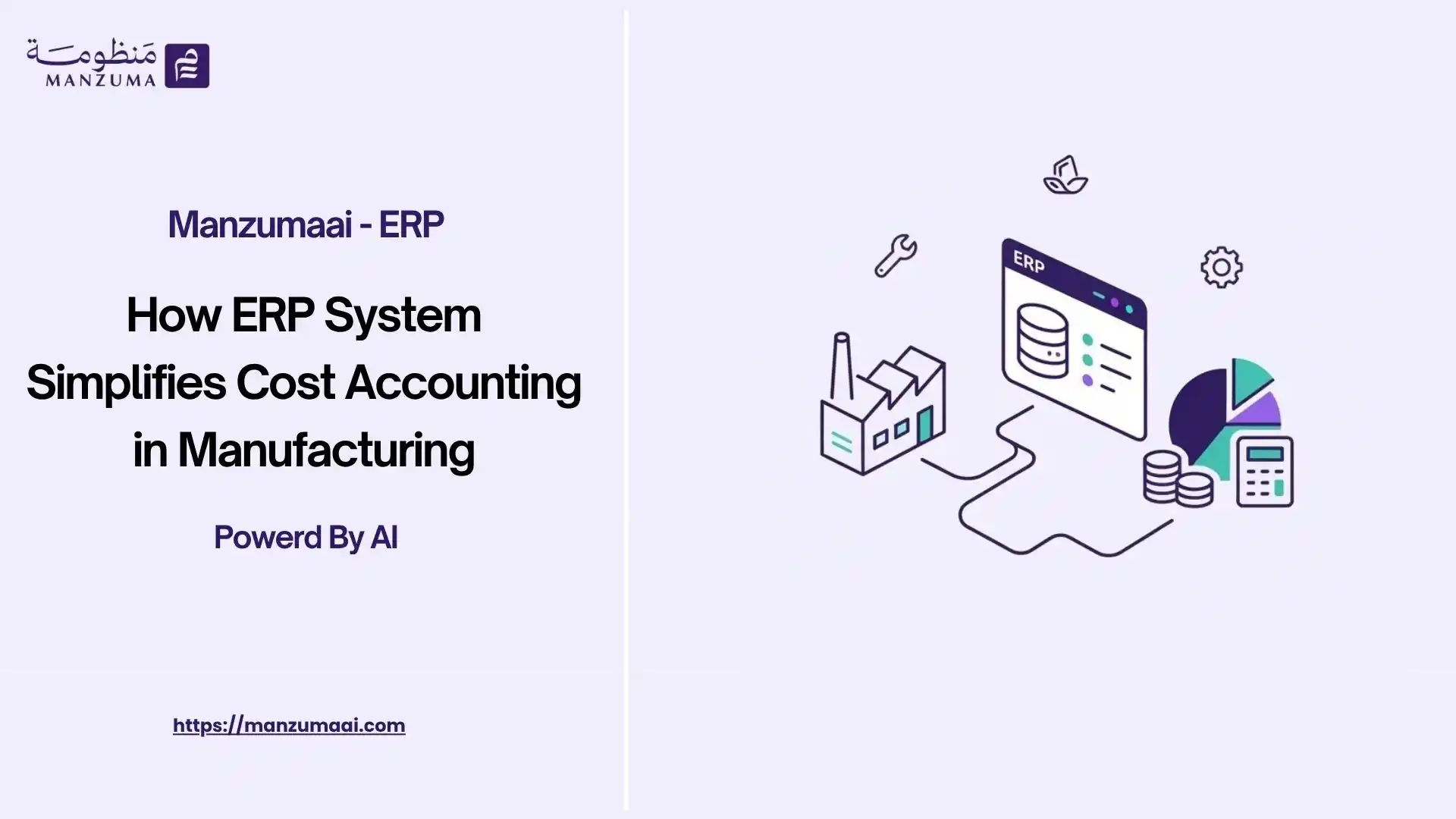
In a manufacturing environment, costs go far beyond the price of raw materials. Every stage of production adds labor, operations, energy, maintenance, and resource consumption. As production orders multiply and raw material prices fluctuate, relying on separate spreadsheets can become a real challenge for both accountants and management.
This is where cost accounting within an integrated ERP system comes in. By bringing together production, inventory, purchasing, and accounting data, an ERP system provides a clearer view of product costs and helps businesses make more accurate operational and financial decisions at the right time.
What Is Cost Accounting in Manufacturing, and How Does It Differ From Traditional Accounting?
Cost accounting in manufacturing focuses on determining the cost of producing goods and tracking the resources consumed during production, rather than simply recording revenue and expenses in the general ledger.
A manufacturing company does not deal with a single type of cost. Product costs may include raw materials, direct labor, operating expenses, energy, maintenance, depreciation, and other manufacturing costs, depending on the nature of the business and the costing method used.
Financial accounting, on the other hand, focuses primarily on recording transactions and preparing financial reports and statements. Cost accounting helps management understand where costs come from, how resources are being consumed, and how much it actually costs to manufacture each product.
Ready to Organize Your Business?
Try Manzuma free for 14 days — no credit card, no commitment.