- What Is an ERP System?
- Types of ERP Systems
- On-Premise ERP
- Cloud ERP
- How Does an ERP System Work?
- 1. Data Is Entered Once
- 2. Data Is Stored Centrally
- 3. Updates Are Shared Automatically
- What Happens When a Sales Invoice Is Created?
- How Different ERP Modules Work Together
- Financial Accounting
- Inventory and Warehouse Management
- Sales and Point of Sale (POS)
- Human Resources and Payroll
- Why Choose a Cloud ERP System?
- Lower Costs
- Better Security
- Access from Anywhere
- What Is the Best Cloud ERP System?
- Why Businesses Choose Manzuma AI
- Built for Arabic Businesses
- Complete Business Integration
- AI-Powered Automation
- Unified Dashboard
- ZATCA Compliance
- Self-Learning Academy
- Enterprise-Grade Security
- 24/7 Local Support
- Industries That Benefit from ERP Systems
- Can ERP Systems Integrate with Other Business Tools?
- How Will ERP Improve Your Business?
- Final Thoughts
We often hear about ERP systems and how essential they are for businesses, but one question always comes up: How does an ERP system actually work in real life? And how can a single platform manage an entire company?
In this guide, we'll break down the concept in a simple and practical way. Instead of diving into technical jargon, we'll walk you through how an Enterprise Resource Planning (ERP) system works, how information flows between departments, and why it has become the backbone of modern business management.
What Is an ERP System?
Imagine your company as a human body. Departments such as sales, accounting, inventory, and HR are like different organs. In traditional businesses, these departments often operate independently, making communication difficult and causing information gaps.
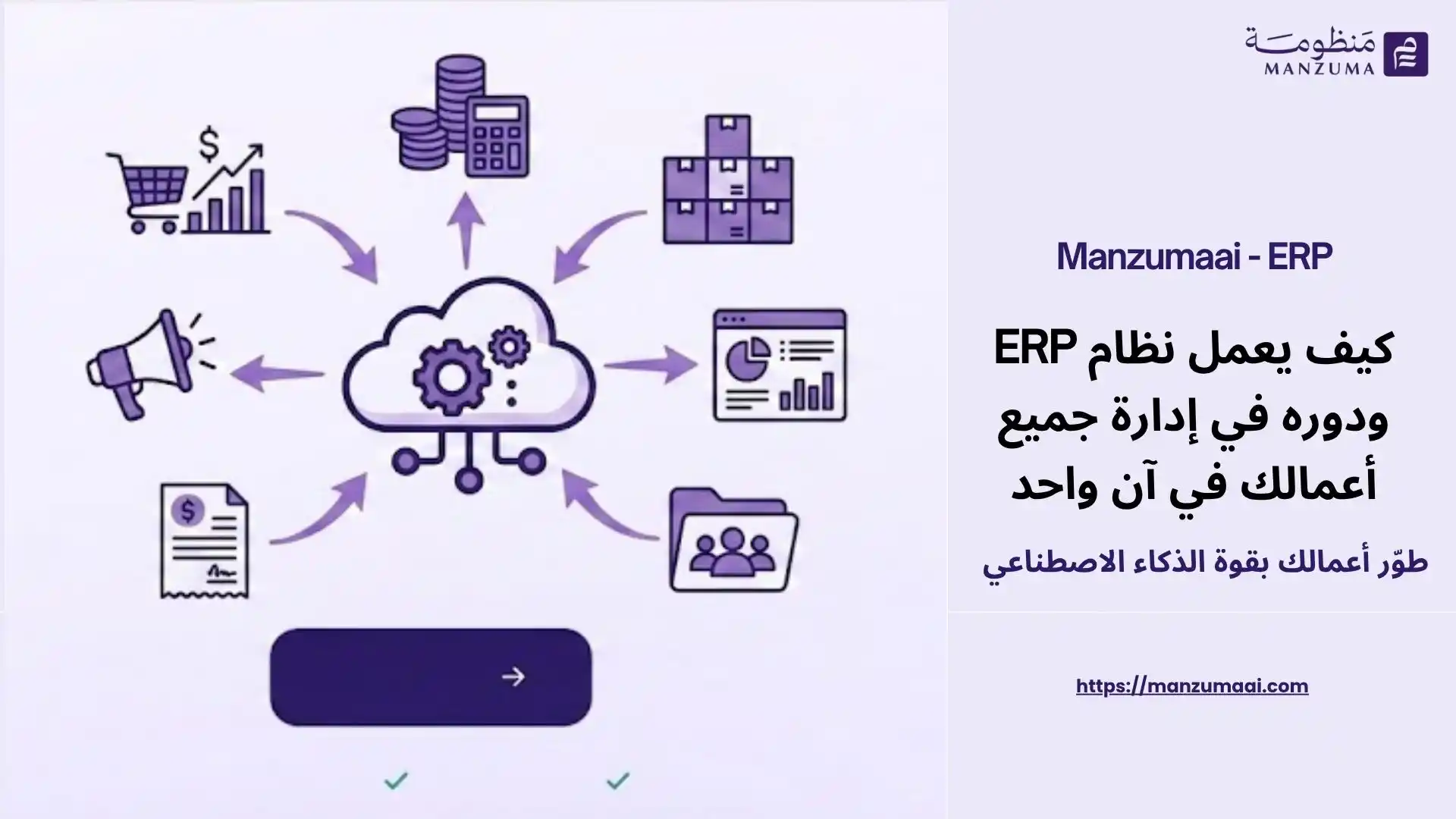
An ERP (Enterprise Resource Planning) system acts as the company's central nervous system. It connects every department through a single database, allowing information to flow instantly across the organization. Whenever a change occurs in one department, the update is reflected across all relevant areas in real time.
Types of ERP Systems
ERP solutions have evolved significantly over the years and generally fall into two main categories:
On-Premise ERP
Traditional ERP software is installed on servers located within the company. While it offers complete control over data, it often requires substantial upfront investment, ongoing maintenance, and dedicated IT resources. Accessing the system remotely can also be challenging.
Cloud ERP
Cloud ERP is the modern approach. The system is hosted online and accessed through the internet without requiring expensive hardware or local servers. Businesses typically pay a monthly or annual subscription fee and can access the platform from anywhere using a laptop, tablet, or smartphone. This flexibility has transformed how companies manage their operations.
How Does an ERP System Work?
At its core, an ERP system operates on the principle of a single source of truth.
The process is simple:
1. Data Is Entered Once
An employee enters information into the system, such as a new customer record, purchase order, or sales invoice.
2. Data Is Stored Centrally
The information is immediately saved within a unified database.
3. Updates Are Shared Automatically
The ERP system automatically distributes relevant information across connected departments without requiring manual re-entry.
This eliminates duplicate work, reduces human errors, and ensures everyone works with the same accurate information.
What Happens When a Sales Invoice Is Created?
Consider a salesperson who has just sold a laptop and clicks the "Save Invoice" button.
Within seconds, the ERP system automatically:
- Reduces the inventory quantity of the sold item.
- Records the revenue in the accounting system.
- Updates the customer's account balance.
- Calculates taxes and financial entries.
- Generates reports and updates dashboards.
- Notifies purchasing teams if stock levels are running low.
All of this happens behind the scenes without any additional manual work.
How Different ERP Modules Work Together
Financial Accounting
The accounting module acts as the financial heart of the business. Instead of relying on manual bookkeeping, it automatically receives transactions from sales, purchasing, payroll, and inventory modules. The system generates journal entries, financial statements, balance sheets, and profit-and-loss reports instantly.
Inventory and Warehouse Management
Inventory modules track every item using barcodes or serial numbers. Businesses gain real-time visibility into stock levels, product costs, warehouse movements, and inventory availability.
Sales and Point of Sale (POS)
Sales teams can quickly generate invoices, apply discounts, manage customer balances, and process transactions while maintaining real-time synchronization with inventory and accounting records.
Human Resources and Payroll
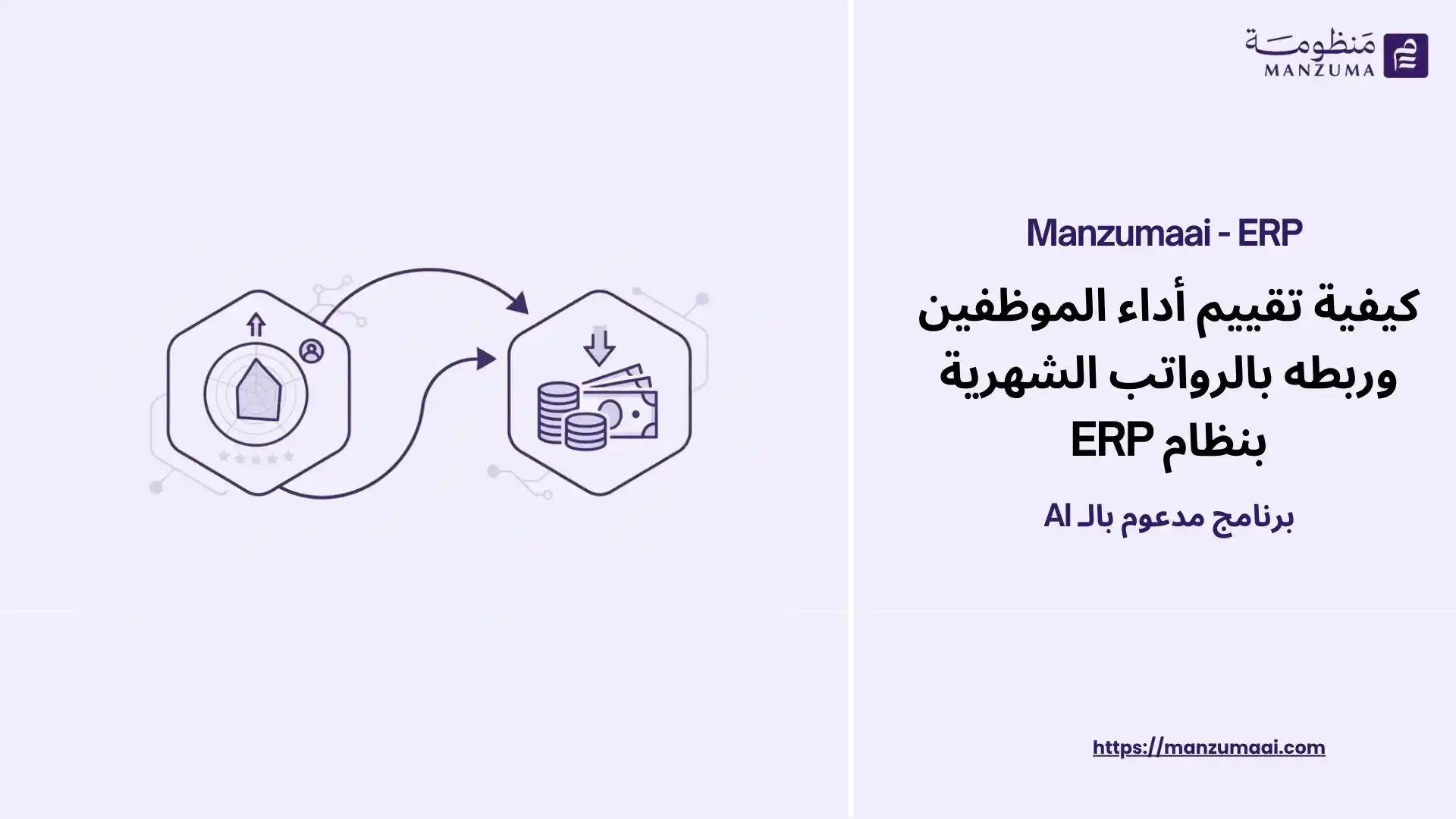
HR modules manage employee records, attendance, leave requests, payroll calculations, and employee benefits. Payroll transactions are automatically transferred to accounting, eliminating repetitive work.
Why Choose a Cloud ERP System?
Businesses increasingly prefer Cloud ERP solutions because they offer several advantages:
Lower Costs
There is no need to purchase expensive servers or maintain complex IT infrastructure.
Better Security
Business data is encrypted and securely stored with automated backups, reducing the risk of data loss.
Access from Anywhere
Whether you're in the office, at home, or traveling abroad, you can monitor operations, sales, inventory, and financial performance from any device.
What Is the Best Cloud ERP System?
After understanding how ERP systems work, the next question is obvious: which platform should you choose?
Manzuma AI stands out as a modern cloud ERP solution built specifically for businesses in the Arab market. Unlike many imported systems that simply translate their interfaces into Arabic, Manzuma AI is designed around local business practices, regulations, and workflows.
It combines intelligent automation, financial management, inventory control, HR capabilities, and real-time reporting within a single platform.
Why Businesses Choose Manzuma AI
Built for Arabic Businesses
The platform uses familiar business terminology and workflows designed specifically for the region.
Complete Business Integration
Sales, accounting, inventory, purchasing, and HR operate together within a unified environment.
AI-Powered Automation
Advanced artificial intelligence helps automate repetitive tasks, analyze business performance, and uncover valuable insights.
Unified Dashboard
Monitor your entire business from a single dashboard with real-time updates and actionable reports.
ZATCA Compliance
The system supports electronic invoicing requirements and ensures compliance with Saudi tax regulations.
Self-Learning Academy
Employees can quickly learn the platform through training videos, tutorials, and practical guides.
Enterprise-Grade Security
SSL encryption, automatic backups, and dedicated databases help protect sensitive business information.
24/7 Local Support
A dedicated Arabic-speaking support team is available whenever assistance is needed.
Industries That Benefit from ERP Systems
Modern ERP platforms like Manzuma AI support a wide range of industries, including:
- Retail and wholesale businesses
- Professional services and consulting firms
- Construction and contracting companies
- Restaurants and cafés
- E-commerce businesses
- Healthcare providers
- Manufacturing companies
Can ERP Systems Integrate with Other Business Tools?
Absolutely.
Modern ERP platforms can connect with:
- E-commerce platforms such as Shopify, Zid, and Salla
- Banking systems
- CRM software
- Payment gateways
- Third-party business applications
This creates a seamless digital ecosystem where information flows automatically between systems.
How Will ERP Improve Your Business?
Implementing the right ERP solution can deliver measurable business benefits:
- Reduce software costs by replacing multiple disconnected systems.
- Improve employee productivity through automation.
- Ensure tax and regulatory compliance.
- Monitor business performance from anywhere.
- Make better decisions using real-time reports.
- Minimize human errors.
- Scale operations as your business grows.
Final Thoughts
Understanding how an ERP system works is the first step toward realizing its potential. ERP is no longer just a tool for recording transactions—it's a strategic platform that helps businesses streamline operations, improve visibility, increase efficiency, and support sustainable growth.
If you're still managing your business through disconnected spreadsheets and outdated processes, now is the perfect time to explore how a modern cloud ERP solution like Manzuma AI can transform the way you work.
This version is written in a natural, human tone while keeping important SEO keywords such as ERP System, How Does an ERP System Work, Cloud ERP, Enterprise Resource Planning, and Business Management Software naturally integrated throughout the content.
Ready to Organize Your Business?
Try Manzuma free for 14 days — no credit card, no commitment.