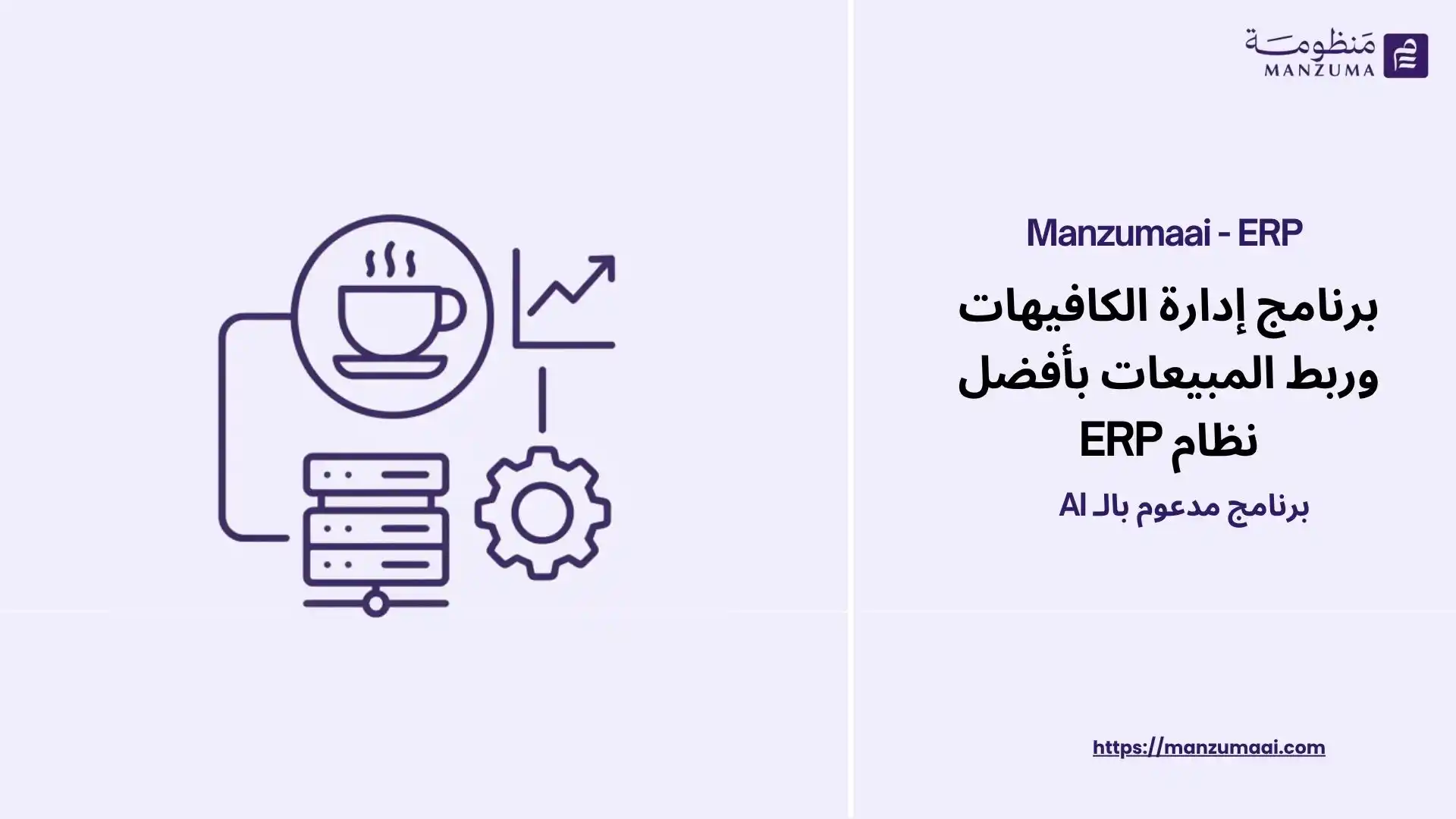
In a café, a problem may start with an order that was not recorded correctly, ingredients running out earlier than expected, or a mismatch between actual sales and inventory. When these issues happen repeatedly, managing the cashier, purchasing, inventory, and accounting through separate tools can become a real burden. This is where cafe management software comes in, bringing these operations together in one system and giving management a clearer view of sales, costs, inventory, and overall performance.
Why Do Cafés Need Integrated Management Software Instead of Separate Systems?
A café does more than simply process sales. Every order is connected to inventory, ingredients, costs, accounting, and employees. When these elements are managed through separate systems, employees have to enter the same data more than once, making it harder to reconcile figures and identify errors.
An integrated ERP system connects these operations. When a sale is recorded, the related data can be transferred to the connected modules based on the system’s configuration instead of leaving each piece of information isolated in a separate program. This is the core idea behind ERP: connected data, not simply multiple programs brought together in one place.
The takeaway: The more transactions a café handles, the more important centralized data becomes compared with relying on multiple disconnected tools.
How Does Cafe Management Software Help Organize Daily Sales?
The point of sale is where a large part of the daily operational cycle begins. That is why cafés need to record orders and payments accurately and track sales by product, branch, and time period.
Daily management can include:
- Recording orders through the POS
- Managing dine-in, takeaway, and delivery orders
- Monitoring daily sales
- Synchronizing inventory with the POS
- Connecting sales transactions to accounting records
The hospitality and restaurant sector page on Manzuma explains that sales data from POS systems can be synchronized with accounting ledgers.
Ready to Organize Your Business?
Try Manzuma free for 14 days — no credit card, no commitment.