- What Costs Should an eCommerce Business Track?
- Why Does Real-Time Cost and Profit Tracking Matter?
- How Can Cost and Profit Reports Support Better Business Decisions?
- How Does Cost Analysis Reveal Your Most and Least Profitable Products?
- A Technical Fact About Profitability
- How Do You Calculate Cost and Profit for an Online Store?
- Why Consider Manzuma AI for Cost and Profit Management?
- An Important Point About ERP Cost Calculation
- How Can an ERP Connect Sales، Inventory، and Profitability?
- What Business Benefits Can Better Cost Tracking Deliver?
- How Should an eCommerce Business Start Using an ERP for Cost and Profit Management?
- Which Industries Benefit from Manzuma AI’s Cost and Profit Tracking?
- How Can You Contact Manzuma AI About the Right ERP Package?
- FAQs
- Is a cost and profit calculation system useful for an eCommerce store?
- What is the difference between product cost and profit?
- Can Manzuma AI help monitor business profitability?
- Does Manzuma support multi-branch inventory management?
- Can I try Manzuma before subscribing?
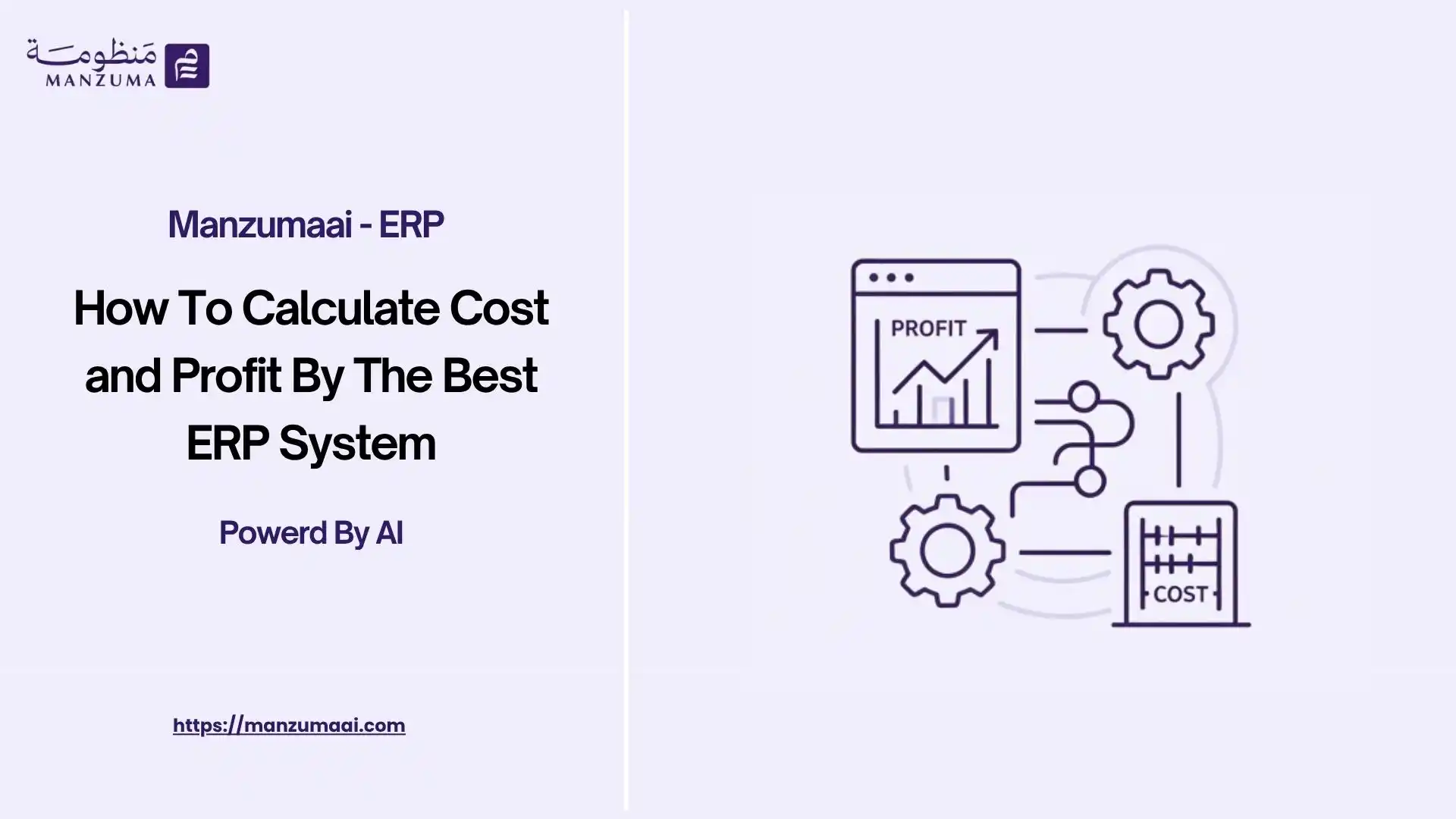
A growing online store can generate impressive sales while still making less profit than expected The reason is simple: the purchase price of a product is only one part of its real cost Shipping، payment fees، storage، discounts، returns، and operating expenses can all reduce the final margin
That is why knowing how to calculate cost and profit accurately is essential for eCommerce businesses An integrated ERP system can bring sales، inventory، purchasing، expenses، and accounting data together، giving business owners a clearer view of actual costs and profitability
What Costs Should an eCommerce Business Track?
Calculating profitability starts with understanding the full cost of selling a product rather than looking only at its supplier price
Depending on the business model، an online store may need to track:
- Product purchase costs: The amount paid to suppliers and other costs directly associated with purchasing goods
- Shipping and delivery costs: Expenses related to receiving inventory or delivering orders to customers
- Warehousing costs: Costs associated with storing and managing inventory
- Payment processing fees: Charges from payment gateways and other transaction providers
- Discounts and promotions: Reductions that affect the actual revenue generated from a sale
- Operating expenses: Administrative، marketing، technology، and other business expenses
- Returns and damaged inventory: Costs associated with returned، unsellable، or damaged products
Professional Tip
Before analyzing product profitability، establish a consistent method for allocating shared costs Otherwise، assigning costs inconsistently can create misleading profit margins and lead to poor pricing or purchasing decisions
Why Does Real-Time Cost and Profit Tracking Matter?
Profitability analysis loses value when the underlying data is outdated
For example، a product may appear highly successful because it generates a large number of orders But after accounting for discounts، shipping، payment fees، and returns، its actual margin may be much lower
An ERP system helps connect operational and financial information so businesses can monitor sales، inventory، purchasing، and accounting data in one environment According to Manzuma's platform information، inventory activity is connected with purchasing، sales، accounting، and reporting، allowing inventory balances and related transactions to be updated as operations take place
The key takeaway: Faster access to financial data is not just about generating reports sooner It gives management an opportunity to identify changes and adjust decisions sooner
How Can Cost and Profit Reports Support Better Business Decisions?
A useful profitability report should do more than display total sales It should help management understand what is happening behind those numbers
For example، cost and profit analysis can help businesses:
- Identify products with stronger profit margins
- Detect increases in purchasing or operating costs
- Measure the effect of discounts on profitability
- Monitor sales and inventory performance
- Identify products that may require pricing adjustments
- Support purchasing and inventory planning
- Review the financial performance of different business activities
Manzuma provides financial reporting capabilities، including more than 100 financial reports، along with reporting related to profitability، receivables، payables، and cash-flow forecasting
The value of these reports comes from having connected operational data behind them A report is only as useful as the data and accounting structure used to produce it
How Does Cost Analysis Reveal Your Most and Least Profitable Products?
The product that sells the most is not necessarily the product that generates the most profit
To understand profitability، businesses need to consider revenue، product cost، additional selling costs، and the resulting margin together
A practical analysis can answer questions such as:
| Business Question | Possible Business Action |
| Which products generate the strongest margins? | Increase focus on high-margin products |
| Which products have weak profitability? | Review pricing or cost structure |
| Are discounts reducing the margin too much? | Reassess promotional strategies |
| Are delivery costs affecting profitability? | Review shipping and fulfillment policies |
| Which products are moving slowly? | Improve inventory planning |
A Technical Fact About Profitability
High sales volume does not automatically mean high profit Profitability depends on the relationship between revenue، direct costs، operating expenses، discounts، returns، and other costs associated with generating sales
This distinction is particularly important for eCommerce businesses، where transaction-related costs can vary significantly from one order to another
How Do You Calculate Cost and Profit for an Online Store?
The basic calculation begins with identifying revenue and subtracting the costs associated with generating that revenue
At a high level:
Profit = Revenue − Total Costs
And:
Profit Margin = (Profit ÷ Revenue) × 100
However، the difficult part is determining what should be included in total costs
For an online store، the calculation may need to consider:
- Product purchase cost
- Shipping and fulfillment expenses
- Payment processing fees
- Discounts and promotional reductions
- Returns and damaged inventory
- Storage and warehouse-related expenses
- Relevant operating expenses
The exact cost structure depends on the accounting policies and business model This is why an ERP system should be configured around the company's actual operations rather than relying on a generic profitability formula
What Should You Look for in a Cost and Profit Calculation System?
Choosing an ERP or financial management system should start with the quality of the financial information it can provide
Consider the following capabilities:
Structured cost tracking
Can the system record and organize the different cost components associated with your operations?
Sales، inventory، and accounting integration
Can sales transactions connect with inventory movements and their corresponding financial data?
Profitability reporting
Can management analyze revenue، costs، margins، and financial performance?
Ease of use
Can employees access the information they need without unnecessary complexity?
Scalability
Can the system support additional products، warehouses، branches، users، and transactions as the business grows?
Integration capabilities
Can it work with the other tools and services used by the business?
Security and user permissions
Can access to financial and operational information be controlled according to user roles?
Important Warning
Do not choose a system simply because its website promises “profit reports” Ask how costs are calculated، recorded، allocated، and connected to transactions The quality of a
profitability report depends on the quality and structure of the data behind it
Why Consider Manzuma AI for Cost and Profit Management?
Manzuma AI is built around a central ERP principle: connect business operations instead of managing them in isolated systems
The platform brings together sales، e-invoicing، purchasing، expenses، inventory، accounting، and reporting within a cloud ERP environment
This integrated approach can be particularly useful for eCommerce businesses because profitability depends on information coming from several parts of the business—not sales data alone
According to Manzuma's platform documentation، purchasing and sales activities are connected with inventory، accounting، and reporting The platform also supports multiple branches and warehouses، while its accounting capabilities include automated journal entries، a trial balance، and more than 100 financial reports
This reduces the need to manually transfer information between separate sales، inventory، and accounting tools and provides management with a more connected foundation for analyzing revenue، costs، and profitability
An Important Point About ERP Cost Calculation
An integrated ERP system does not mean that every cost will be calculated automatically in exactly the same way for every business
Products، cost structures، accounting policies، expense allocation methods، and business workflows must be configured according to the company's actual requirements Financial data should also be reviewed by the appropriate accounting and management teams
How Can an ERP Connect Sales، Inventory، and Profitability?
Consider a typical eCommerce transaction
A customer places an order The sale is recorded، the relevant inventory movement is processed، the invoice is generated، and the financial impact is reflected in the accounting data
Instead of entering the same information into several systems، an integrated ERP can connect these activities within one workflow
This creates a more consistent data trail from:
Sale → Invoice → Inventory Movement → Accounting Entry → Financial Report
The result is a stronger foundation for analyzing the financial impact of sales and understanding profitability
What Business Benefits Can Better Cost Tracking Deliver?
Accurate cost tracking can support several areas of eCommerce management
Pricing Decisions
Understanding the actual cost of selling a product helps businesses evaluate whether current prices provide an appropriate margin
Inventory Planning
Cost and sales information can help management identify slow-moving products، monitor inventory value، and support purchasing decisions
Promotional Planning
Discounts can increase sales volume while reducing margins Profitability analysis helps businesses evaluate the financial impact of promotions instead of looking at order volume alone
Financial Control
Connecting operational activity with accounting information reduces the need to reconcile data manually across multiple systems
Management Reporting
When sales، purchasing، inventory، and accounting information are connected، management can work from a more consistent set of financial data
How Should an eCommerce Business Start Using an ERP for Cost and Profit Management?
A successful implementation does not need to happen all at once A structured approach can make the transition easier
Map your current operations
Identify how sales، purchasing، inventory، expenses، and accounting are currently managed
Define your cost structure
Determine which direct and indirect costs need to be tracked
Prepare product and inventory data
Make sure product records، suppliers، warehouses، and opening balances are properly organized
Configure accounting workflows
Establish how sales، purchases، expenses، and inventory transactions affect financial records
Define reporting requirements
Decide which profitability، financial، inventory، and sales reports management needs
Set user permissions
Give each team member access according to their responsibilities
Train the team and monitor results
Review the system after launch and refine workflows where necessary
Starting with clearly defined requirements helps ensure that the ERP supports the actual business process rather than simply replacing spreadsheets with another interface
Which Industries Benefit from Manzuma AI’s Cost and Profit Tracking?
Manzuma AI’s ERP system helps businesses track revenue, expenses, purchasing costs, and inventory expenses. By connecting operational processes with accounting and financial reports, businesses can analyze sales and profitability more effectively.
Several industries can benefit from these solutions, including:
- E-commerce and Retail: Track sales, product purchase costs, and business expenses while analyzing profits to identify best-selling and most profitable products.
- Trading and Distribution: Manage purchasing, inventory, customer and supplier accounts, and monitor costs and revenue across multiple branches and warehouses.
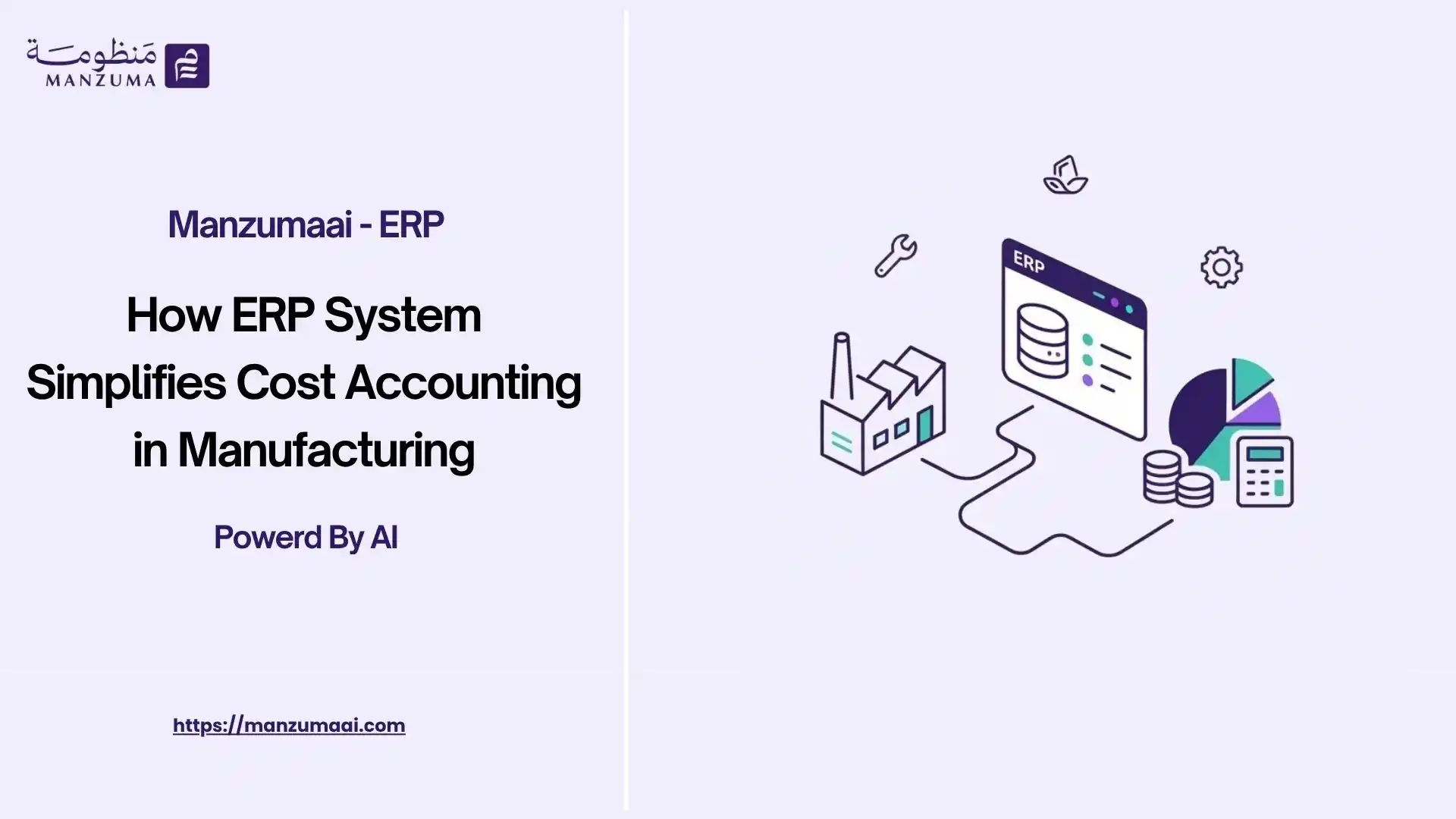
- Manufacturing: Track raw material, production, and finished goods costs, then compare manufacturing expenses with sales revenue to evaluate profitability.
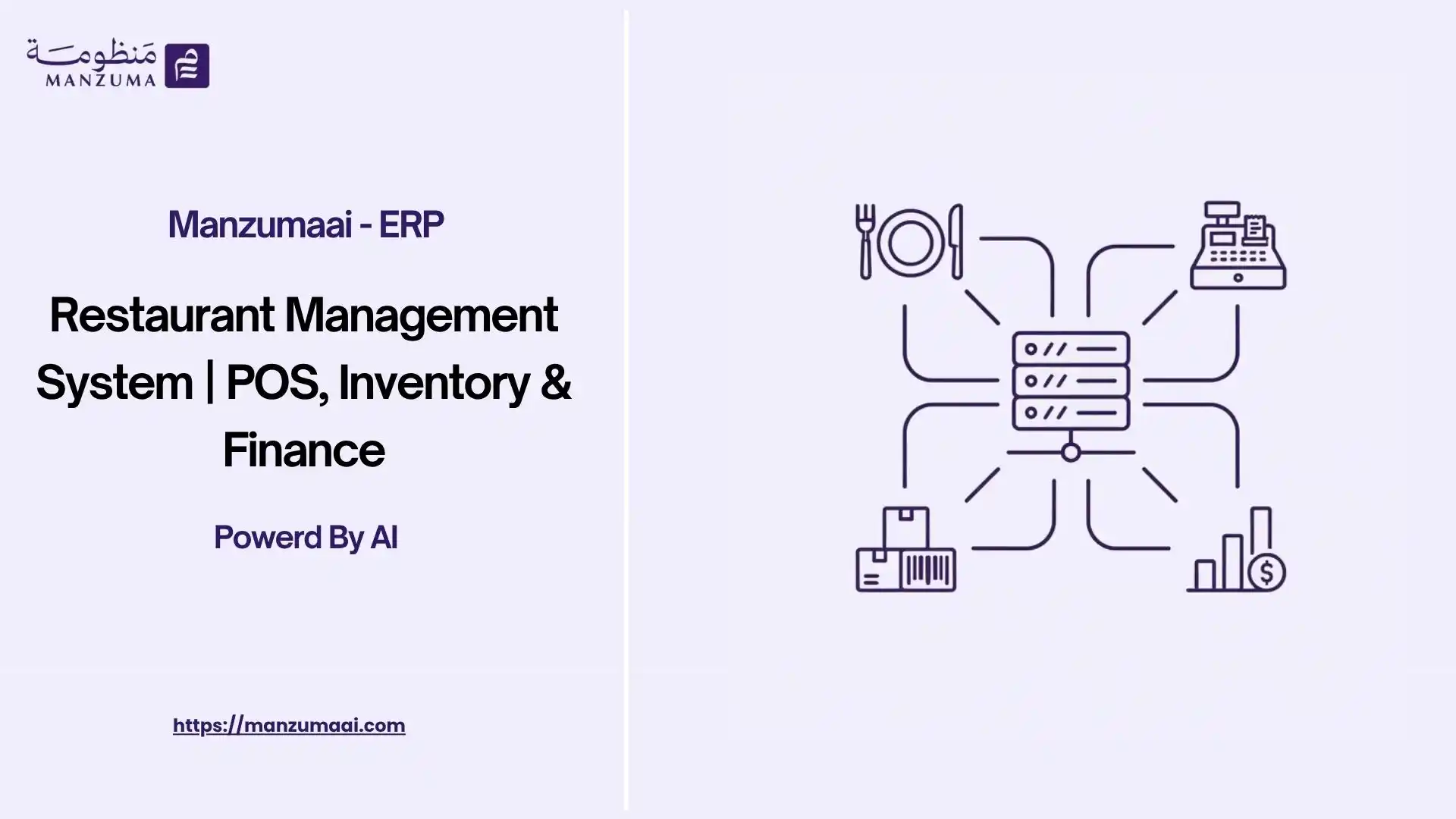
- Restaurants and Hospitality: Monitor ingredient costs, purchases, daily sales, and operating expenses to calculate product costs and profit margins more accurately.
- Construction and Contracting: Organize material costs, purchases, and project-related expenses, then compare costs with revenue to assess each project’s financial performance.
- Services and Consulting: Track service delivery costs, expenses, and revenue while analyzing the profitability of individual services and projects.
- Healthcare: Help hospitals, clinics, medical centers, and medical supply providers monitor purchasing costs, medical inventory, and operating expenses while organizing revenue from services and sales. Connecting inventory with accounting also helps businesses track medicine and medical supply costs and gain a clearer picture of their financial performance, supporting better cost management and profitability decisions.
Manzuma AI connects sales, purchasing, and inventory with accounting and financial reporting, providing insights that help businesses analyze financial performance and monitor project profitability. This gives businesses a clearer view of costs and revenue, enabling them to make informed decisions and support sustainable growth.
How Can You Contact Manzuma AI About the Right ERP Package?
Before contacting Manzuma، prepare a clear overview of your business، including:
- Number of products and SKUs
- Number of branches and warehouses
- Sales channels
- Average transaction volume
- Purchasing and supplier processes
- Inventory management requirements
- Accounting and reporting needs
- Current systems and integrations
- Number of users
This information can help the team understand your workflow and identify the ERP capabilities that are relevant to your business instead of recommending a solution based only on a general feature list
Manzuma's official website also states that businesses can access a 14-day free trial without a credit card، allowing them to evaluate the platform before committing to a subscription
Understanding how to calculate cost and profit requires more than looking at sales revenue eCommerce businesses need a connected view of product costs، shipping، fees، discounts، inventory، expenses، and accounting data An integrated ERP can bring these processes together and provide a stronger foundation for profitability analysis Manzuma AI offers a cloud ERP environment that connects core business operations and financial reporting، allowing businesses to evaluate whether its workflows and capabilities fit their specific needs
FAQs
Is a cost and profit calculation system useful for an eCommerce store?
Yes It becomes particularly valuable when sales، inventory، purchasing، expenses، and accounting data are connected
What is the difference between product cost and profit?
Product cost represents the costs associated with obtaining and preparing the product for sale، while profit is the amount remaining after relevant costs and expenses are deducted from revenue
Can Manzuma AI help monitor business profitability?
Manzuma provides financial and profitability reporting capabilities while connecting sales، inventory، purchasing، expenses، and accounting within an ERP environment
Does Manzuma support multi-branch inventory management?
Manzuma's platform documentation describes support for multiple branches and warehouses، including inventory movements and their connection with accounting and reporting
Can I try Manzuma before subscribing?
Yes According to the official Manzuma website، a 14-day free trial is available without requiring a credit car
Ready to Organize Your Business?
Try Manzuma free for 14 days — no credit card, no commitment.