- What Is Human Resource Management?
- Why Human Resource Management Matters
- How Human Resource Management Improves Organizational Performance
- The Impact of Human Resources on Productivity
- The Role of ERP Systems in Human Resource Management
- How Automation Enhances Human Resource Management
- The Relationship Between HR, ERP, and Automation
- Key HR Functions Within an ERP System
- Employee Data Management
- How Data Helps HR Improve Organizational Performance
- Human Resource Management in the Digital Transformation Era
- Conclusion
Human Resource Management (HRM) has become one of the most important functions within modern organizations. Business success is no longer determined solely by product quality or sales performance; it largely depends on the people who drive daily operations, serve customers, execute strategies, and achieve business goals.
Employees are the foundation of productivity and organizational growth. As a result, HR is no longer limited to handling recruitment, payroll, and leave management. It has evolved into a strategic function that directly contributes to improving organizational performance and operational efficiency.
With digital transformation accelerating across industries, integrating Human Resource Management with an ERP system and automation has become essential for organizations seeking to reduce errors, streamline processes, organize employee data, and gain better visibility into workforce performance.
In this article, we explore the concept of Human Resource Management, its role in enhancing organizational performance, and how ERP software and automation help transform HR from a traditional administrative function into a smart, data-driven business partner.
What Is Human Resource Management?
Human Resource Management is the department responsible for managing all employee-related activities within an organization. This includes recruitment, onboarding, attendance tracking, payroll management, leave administration, performance evaluations, employee training, and workplace development.
However, modern HR extends far beyond administrative tasks. Today, HR focuses on improving employee experience, increasing productivity, building a strong workplace culture, and aligning employee goals with organizational objectives.
When discussing Human Resource Management and its role in organizational performance, we are talking about a critical business function that influences every department across the company.
Why Human Resource Management Matters
The importance of HR lies in its ability to manage an organization's most valuable asset: its people. Even the best business strategies and technologies cannot deliver results without a capable, motivated, and well-managed workforce.
Effective Human Resource Management helps organizations:
- Recruit the right talent.
- Reduce employee turnover.
- Improve team performance.
- Manage payroll, attendance, and leave efficiently.
- Increase employee engagement and accountability.
- Strengthen workplace culture.
- Support employee development and training.
- Improve internal communication.
- Align employee performance with business objectives.
These factors make HR a direct contributor to organizational growth, efficiency, and competitiveness.
How Human Resource Management Improves Organizational Performance
A well structured HR function positively impacts organizational performance in several ways. It helps leadership identify workforce needs, understand team strengths and weaknesses, allocate resources effectively, and improve productivity.
Additionally, HR reduces administrative inefficiencies by replacing paper-based processes and disconnected spreadsheets with centralized, digital systems that streamline attendance, payroll, leave requests, and performance management.
The role of Human Resource Management in improving organizational performance can be summarized in three key areas:
1. Enhancing Employee Productivity
Through training, performance management, employee development, and placing the right people in the right roles, HR helps maximize workforce effectiveness.
2. Streamlining Internal Operations
By managing attendance, payroll, leave, contracts, approvals, and employee records efficiently, HR improves operational consistency and reduces administrative bottlenecks.
3. Supporting Better Decision-Making
HR provides accurate workforce data and insights related to performance, absenteeism, labor costs, productivity, and hiring needs, enabling management to make informed decisions.
The more organized and data-driven HR becomes, the more stable and efficient the organization will be.
The Impact of Human Resources on Productivity
Productivity is influenced by more than just working hours. It depends on effective management, clear responsibilities, employee motivation, and streamlined processes.
When employees understand their roles, receive fair evaluations, have accurate payroll calculations, and see opportunities for growth, they become more engaged and productive.
On the other hand, poorly managed HR processes often result in:
- Payroll delays.
- Attendance inaccuracies.
- Leave management challenges.
- Weak performance evaluation systems.
- Unclear responsibilities.
- Increased employee complaints.
- Higher turnover rates.
- Lower productivity and accountability.
This is why Human Resource Management plays a vital role in transforming workplace environments from disorganized operations into structured, data-driven organizations.
The Role of ERP Systems in Human Resource Management
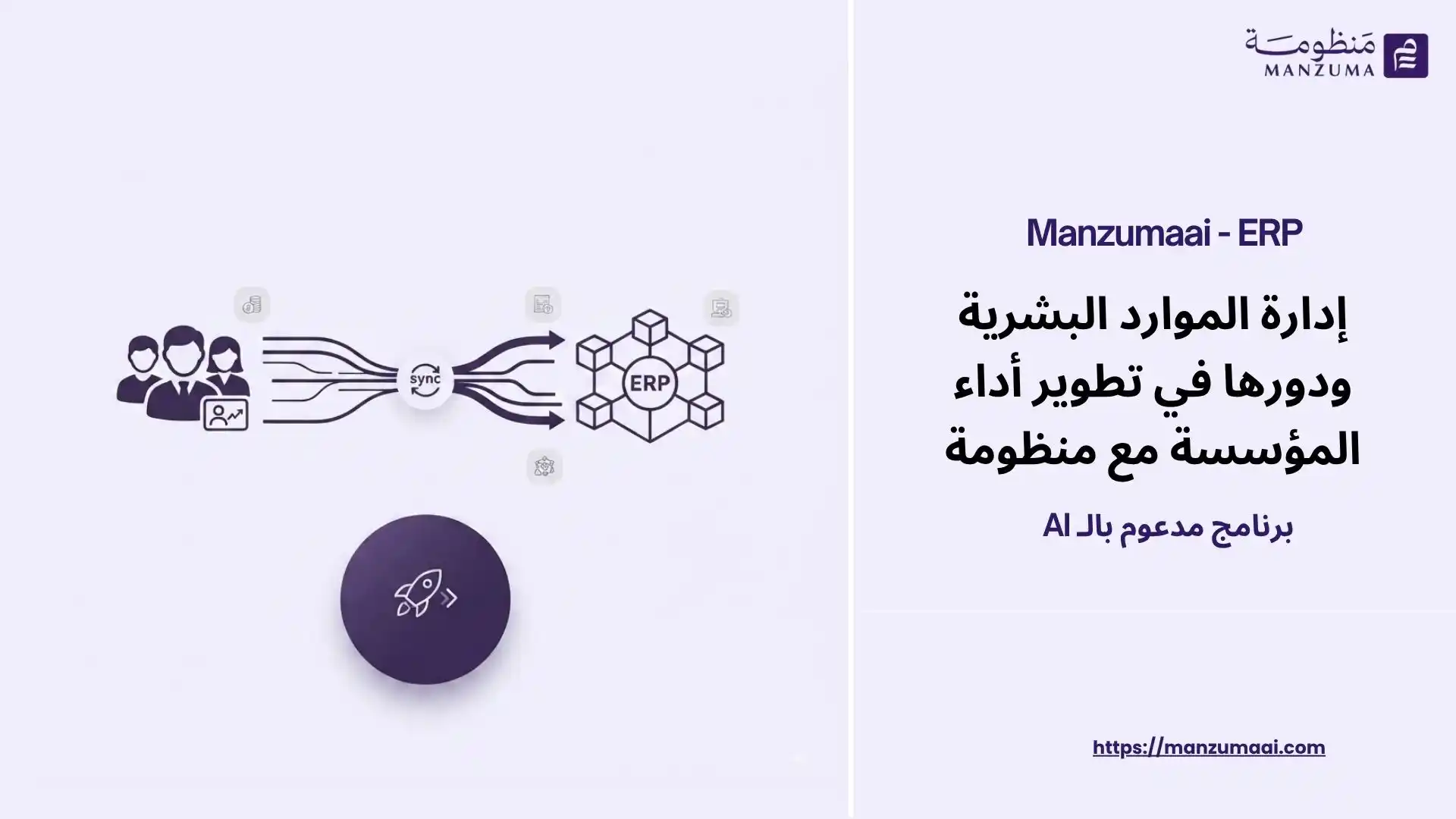
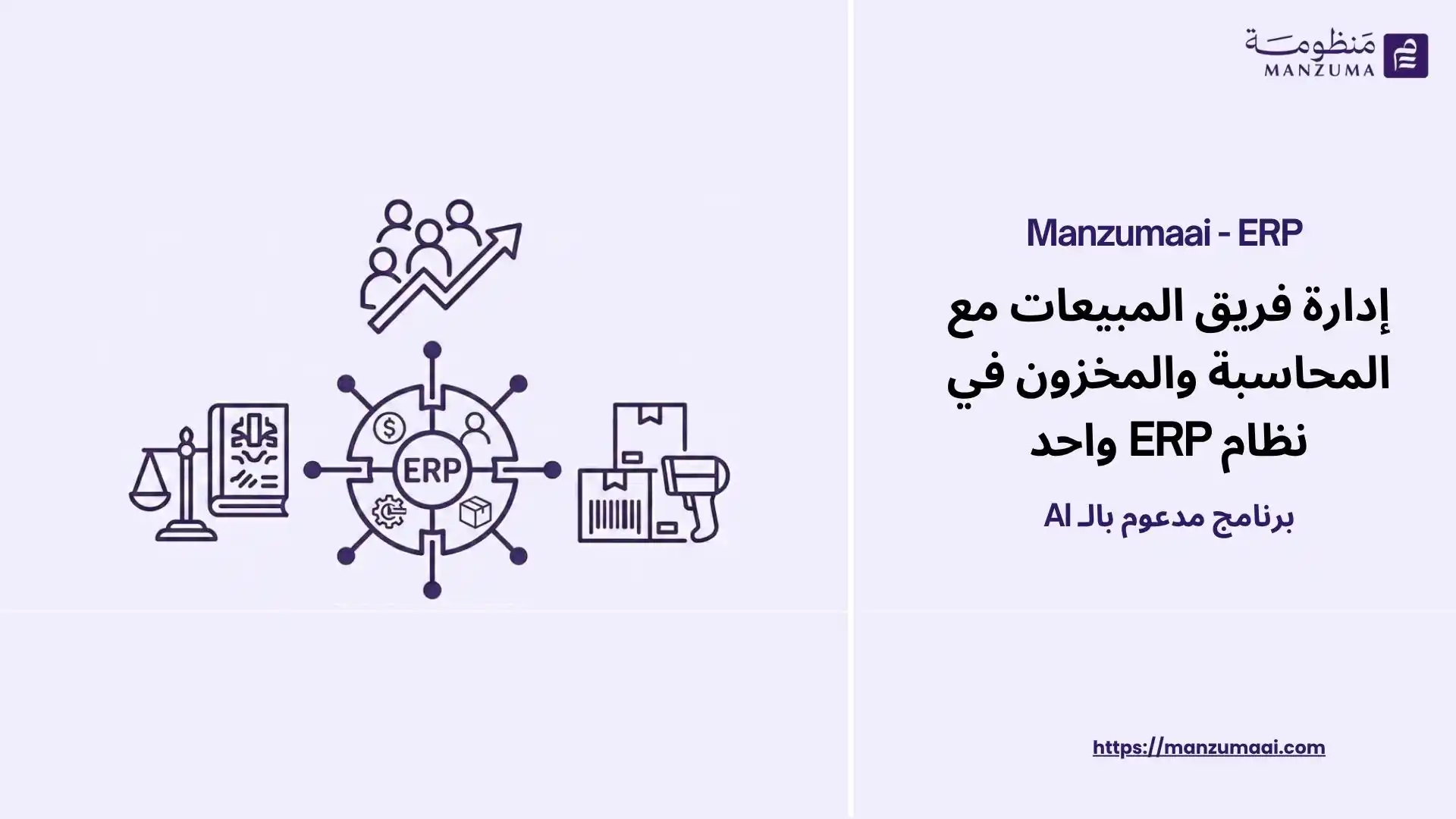
An ERP (Enterprise Resource Planning) system connects different business functions within a unified platform. When HR is integrated into an ERP system, employee data becomes connected with accounting, payroll, projects, expenses, and reporting modules.
Instead of operating independently from finance and operations, HR data becomes part of a centralized ecosystem where information flows seamlessly across departments.
ERP software helps HR teams:
- Manage employee records.
- Track attendance and working hours.
- Process payroll accurately.
- Manage leave requests and approvals.
- Control user permissions and access rights.
- Integrate payroll with accounting.
- Generate HR reports.
- Monitor workforce costs.
- Manage branches and departments.
- Improve administrative decision-making.
The result is a single source of truth where all departments work with consistent and accurate information.
How Automation Enhances Human Resource Management
Automation transforms repetitive HR tasks into automated workflows, reducing manual effort, saving time, and minimizing errors.
For example, instead of calculating payroll manually every month, an ERP system can automatically process salaries based on attendance records, leave balances, overtime hours, deductions, and allowances.
Similarly, employees can submit leave requests through the system, which are automatically routed to managers for approval.
Common HR automation examples include:
- Automated payroll processing.
- Leave request workflows.
- Attendance and lateness alerts.
- Administrative approval workflows.
- Performance reporting.
- Contract renewal reminders.
- Deductions and benefits management.
- Employee notifications.
- Payroll integration with accounting entries.
Automation not only accelerates processes but also improves accuracy, transparency, and compliance.
The Relationship Between HR, ERP, and Automation
Human Resource Management, ERP systems, and automation work together to create a more efficient organization.
HR requires accurate employee data, ERP provides a centralized platform for managing that data, and automation ensures processes run smoothly with minimal manual intervention.
When combined, organizations can:
- Monitor workforce status in real time.
- Calculate payroll accurately.
- Reduce administrative errors.
- Track attendance and absenteeism.
- Improve employee experience.
- Generate meaningful reports.
- Connect workforce data with operational costs.
- Make data-driven decisions.
This integration transforms HR from an administrative department into a strategic business function.
Key HR Functions Within an ERP System
Modern ERP platforms support a wide range of HR functions, including:
Employee Data Management
Store employee information, contracts, job roles, salaries, documents, and employment history in a centralized database.
Attendance and Time Tracking
Monitor attendance, absences, overtime, and working hours accurately.
Payroll Management
Calculate salaries, deductions, allowances, and benefits automatically while integrating payroll with accounting systems.
Leave and Request Management
Enable employees to submit requests digitally while simplifying approval workflows.
Performance Management
Track productivity, goal achievement, attendance, and performance indicators to support evaluations and promotions.
User Access and Permissions
Control access to sensitive employee and company information based on roles and responsibilities.
HR Reporting and Analytics
Generate reports on workforce costs, turnover rates, attendance patterns, productivity, and employee performance.
How Data Helps HR Improve Organizational Performance
Modern HR relies heavily on data and analytics to support decision-making.
By leveraging ERP-generated reports, organizations can answer critical questions such as:
- Which departments are most productive?
- Where are attendance issues occurring?
- Who are the highest-performing employees?
- What is the cost of each department?
- Are compensation levels aligned with performance?
- Is additional hiring required?
- Why are employees leaving?
- Are training programs delivering results?
These insights enable HR to support business leaders with strategic recommendations based on facts rather than assumptions.
Human Resource Management in the Digital Transformation Era
Digital transformation is not simply about adopting technology; it is about changing how work is managed.
In HR, digital transformation replaces manual paperwork with intelligent systems powered by data, automation, and integrated workflows.
Organizations that embrace digital HR can:
- Reduce paperwork.
- Accelerate approvals.
- Improve payroll accuracy.
- Monitor workforce performance more effectively.
- Access reports instantly.
- Enhance workforce planning.
- Lower operational costs.
This makes ERP adoption a crucial step for organizations pursuing long-term growth and efficiency.
Conclusion
Human Resource Management plays a critical role in improving organizational performance by enhancing productivity, strengthening workplace culture, supporting employee development, and improving operational efficiency.
When combined with ERP software, automation, and AI-powered technologies, HR becomes more strategic, data-driven, and impactful. Organizations gain better control over employee data, payroll, attendance, reporting, and workforce planning while reducing administrative burdens.
For businesses looking to improve productivity, streamline operations, and support sustainable growth, investing in an ERP-powered Human Resource Management solution is no longer optional—it is a strategic necessity.

Ready to Organize Your Business?
Try Manzuma free for 14 days — no credit card, no commitment.