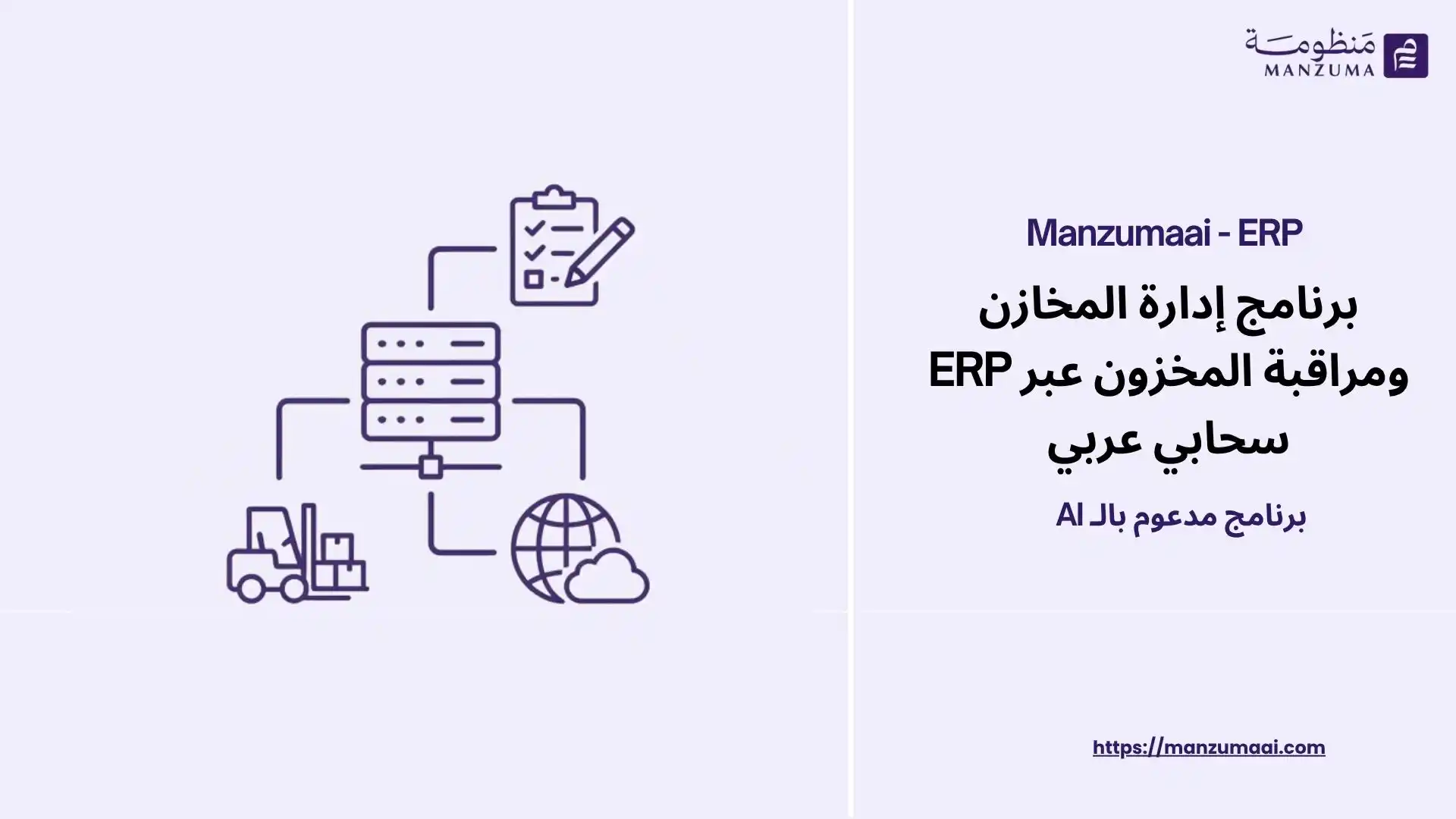
When the number of products, warehouses, and branches starts to grow, relying on spreadsheets and paper records can quickly become a daily burden. Inaccurate stock levels, items running out without warning, and excess inventory going unnoticed are just some of the challenges businesses face. This is where an inventory and warehouse management system comes in. It connects inventory movements with sales, purchasing, and accounting, giving businesses a clearer view of their stock instead of having to track every process separately.
What Is a Warehouse and Inventory Management System Through Cloud ERP?
It is a system that helps businesses record products and track their movement from the moment they enter the warehouse until they are sold, transferred, or adjusted, while continuously displaying updated inventory balances.
When inventory management is part of a cloud ERP system, warehouse data is no longer isolated from other business operations. Inventory movements can be connected to sales, purchasing, and accounting, allowing each transaction to automatically update the related data instead of requiring manual re-entry. According to Manzuma, warehouse and inventory management includes real-time stock updates, support for multiple branches and warehouses, and alerts when inventory levels fall below a certain threshold.
The goal is not simply to know “how much stock do we have?” but to know what is available, where it is located, how it has moved, and when it needs to be reordered.
Ready to Organize Your Business?
Try Manzuma free for 14 days — no credit card, no commitment.