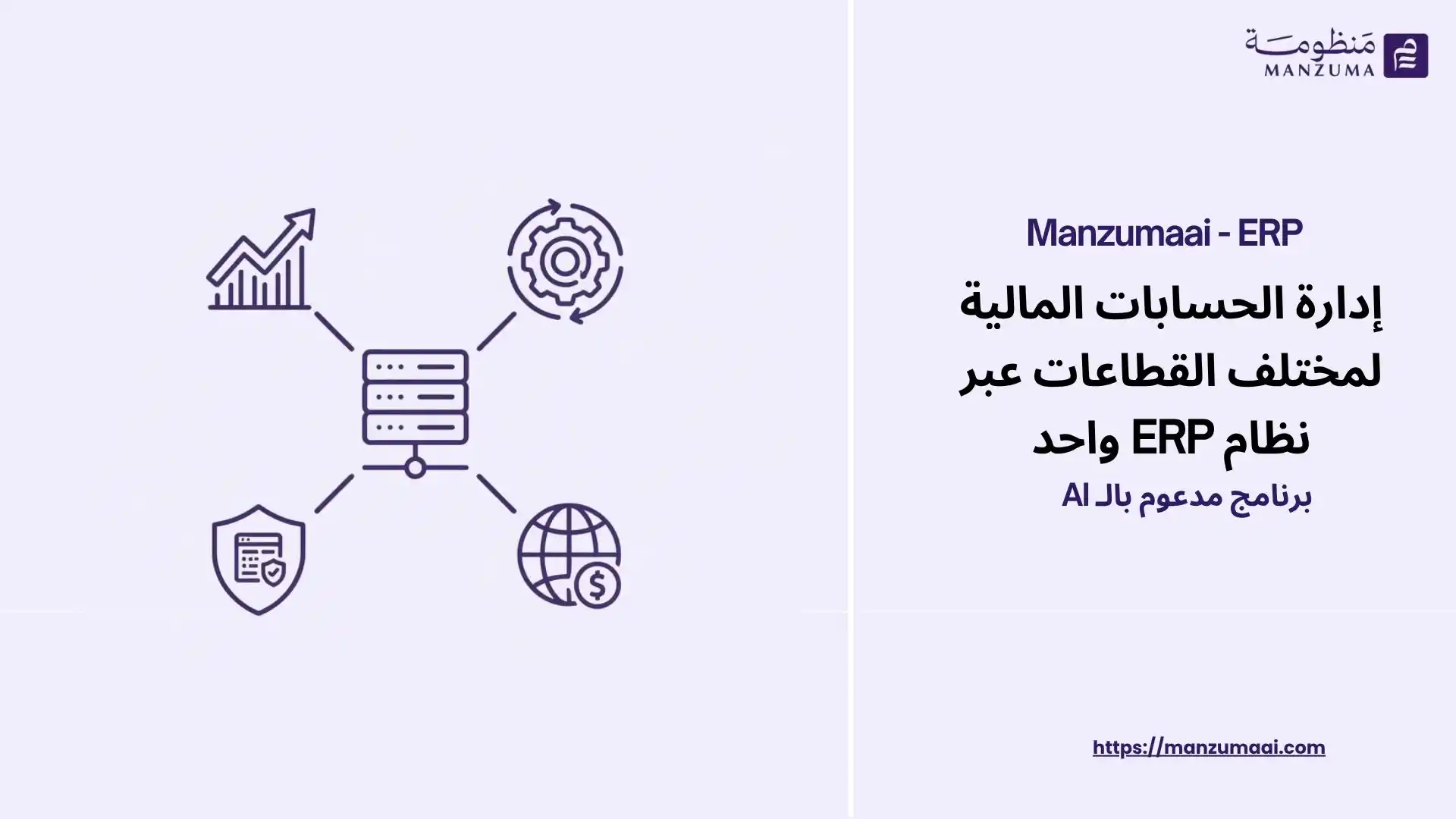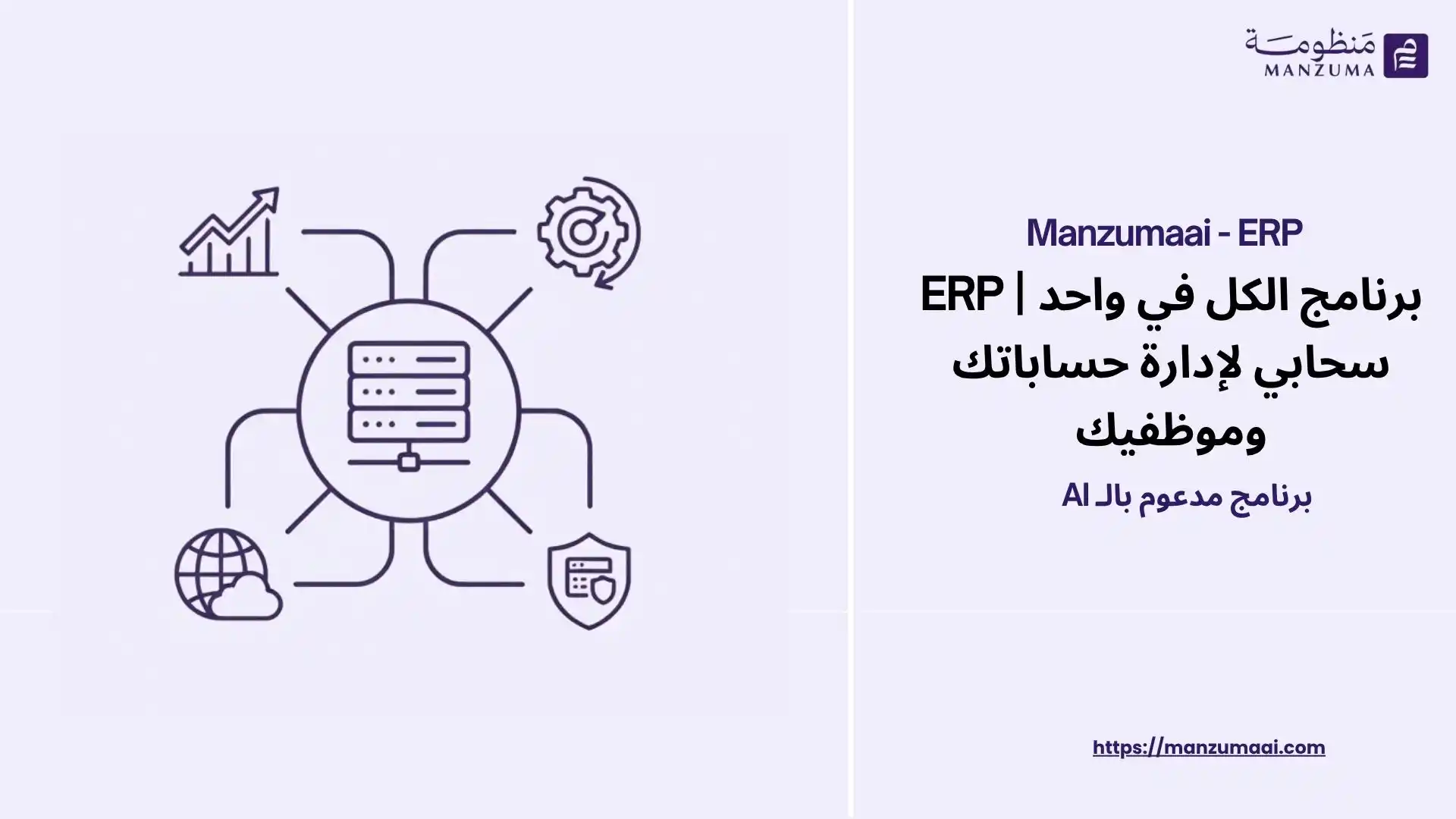
The problem often starts when a company uses one software for accounting, another for sales, spreadsheets to manage inventory, and a separate tool for employee management. Over time, data gets duplicated, numbers become inconsistent, and getting a complete view of the business becomes more difficult. This is where an all-in-one business management system comes in. It brings core operations together within an integrated ERP system, allowing data to flow seamlessly between departments instead of being entered manually every time.
What Is an All-in-One Business Management System, and Why Do Companies Need One Today?
An all-in-one business management system is an integrated solution that brings multiple business functions together in one environment, including accounting, sales, invoicing, purchasing, inventory, human resources, and reporting.
The real value is not simply having multiple modules in one place, but having them connected. For example, when a sale is recorded, it can automatically trigger the related invoice, update inventory, record the financial impact, update customer information, and reflect the transaction in relevant reports—all without each department working separately.
In short, the true value of an ERP system lies in data integration, not simply putting multiple tools on the same screen.


Ready to Organize Your Business?
Try Manzuma free for 14 days — no credit card, no commitment.